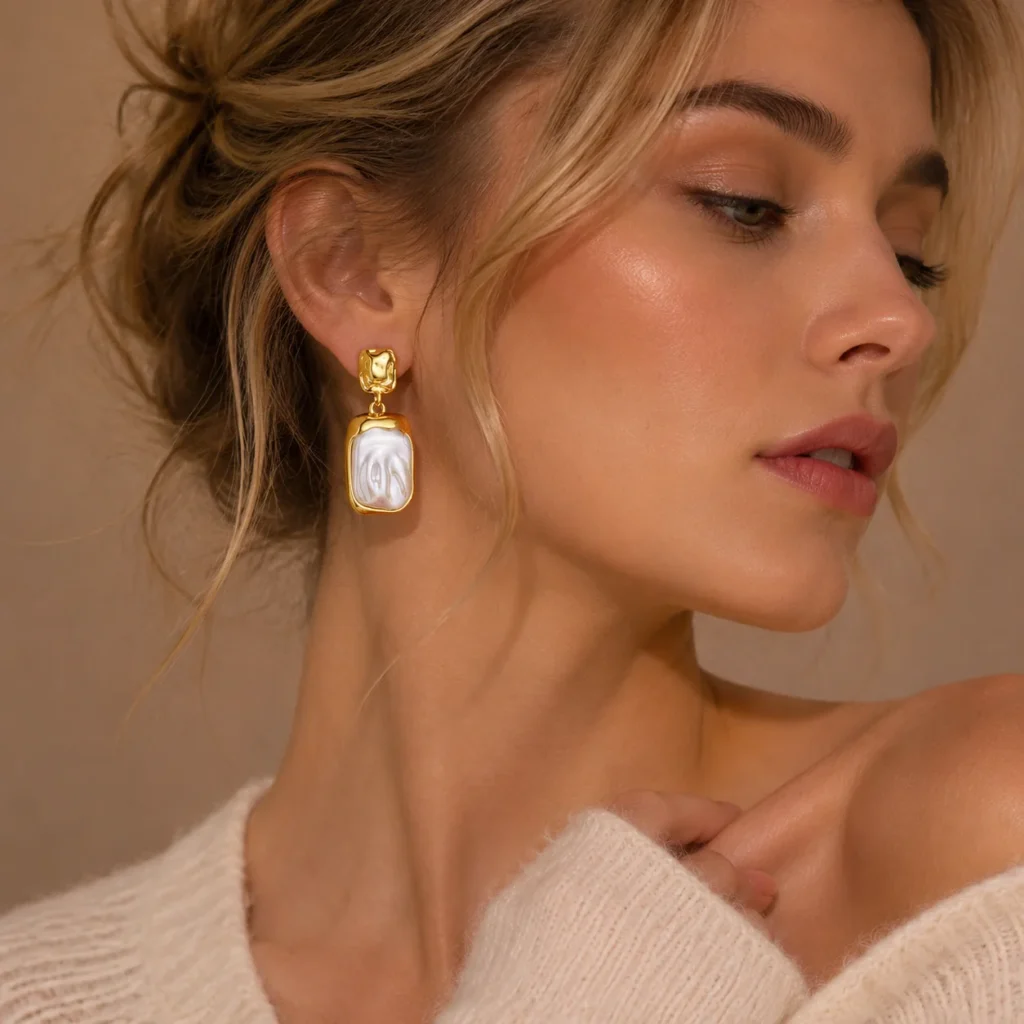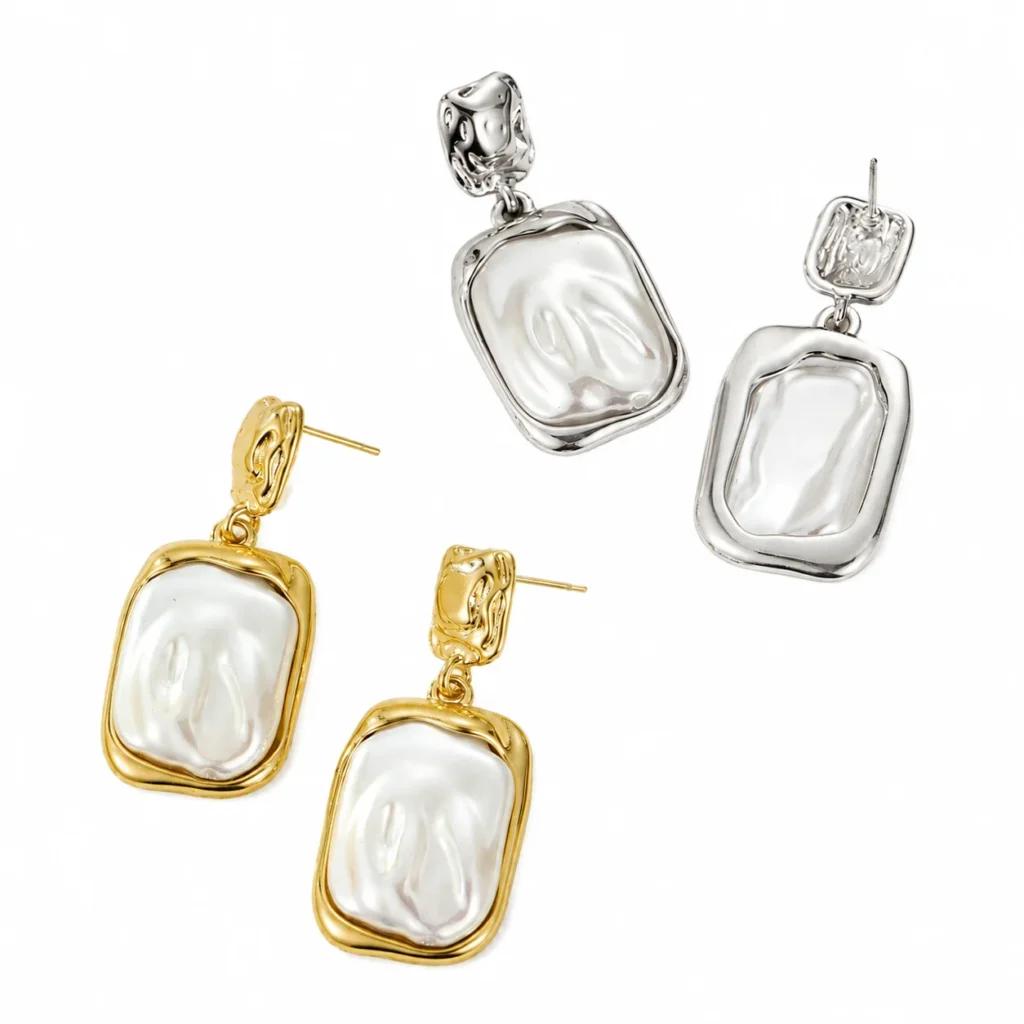
Wholesale jewelry quality control is one of the most important steps between choosing a beautiful design and receiving sellable inventory. For B2B buyers, small issues such as plating variation, loose stones, rough edges, mismatched sizing, or weak packaging can affect customer reviews, return rates, and reorder confidence.
This checklist is designed for fashion brands, boutique buyers, importers, and online retailers working with a custom jewelry manufacturer or wholesale supplier. It can be used before sample approval, during bulk production, and before shipment.
1. Confirm the Approved Sample Standard
Every wholesale jewelry order should begin with a clear sample standard. The approved sample becomes the reference for color, shape, weight, finish, stones, closure, chain length, packaging, and product labeling. If a detail is important to your customer, it should be documented before bulk production begins.
For OEM or ODM jewelry orders, sample notes should include:
- Product name, style number, and category.
- Material, plating color, and stone or bead details.
- Measurements such as ring size, bracelet diameter, necklace length, or earring drop length.
- Packaging method and any private label requirements.
- Accepted tolerance for handmade or textured finishes.
If you are still comparing suppliers, the guide to low MOQ jewelry wholesale may help you plan smaller test orders before committing to large quantities.
2. Inspect Plating and Surface Finish
Plating is one of the first details customers notice. Even when a design is attractive, inconsistent gold tone, patchy silver tone, visible scratches, or dark spots can make a product look lower value. Buyers should review samples under neutral light and compare pieces from different production batches when possible.
Key surface points to inspect include:
- Consistent color across left and right pieces.
- Smooth surface without obvious pits or rough edges.
- No visible glue stains around stones, pearls, or enamel details.
- No sharp points that may catch on clothing or packaging.
- Clean back side, clasp, and connection areas.
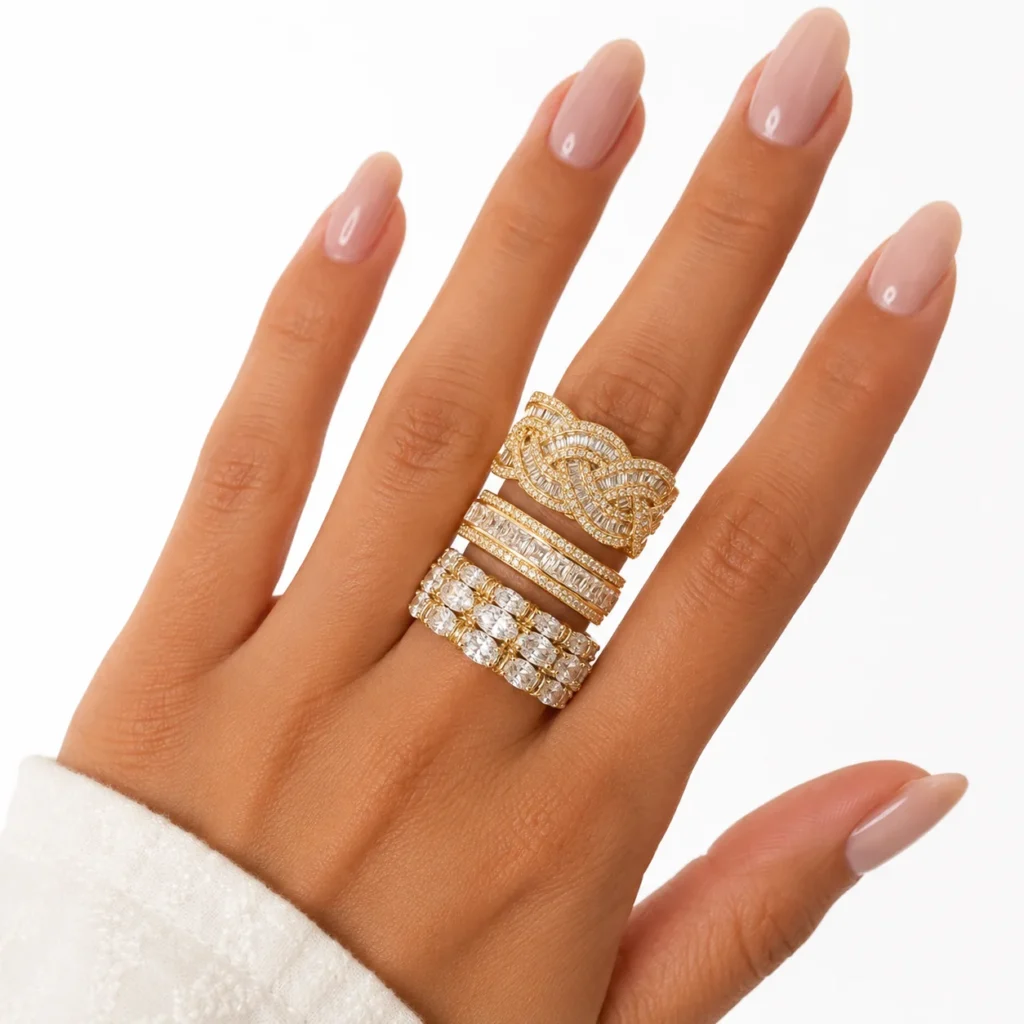
For ring products such as the Pave Rhinestone Ring, check both the top surface and the inner band. Customers may not mention the inner finish when buying, but they will feel it immediately during wear.
3. Check Stone, Pearl, and Bead Attachment
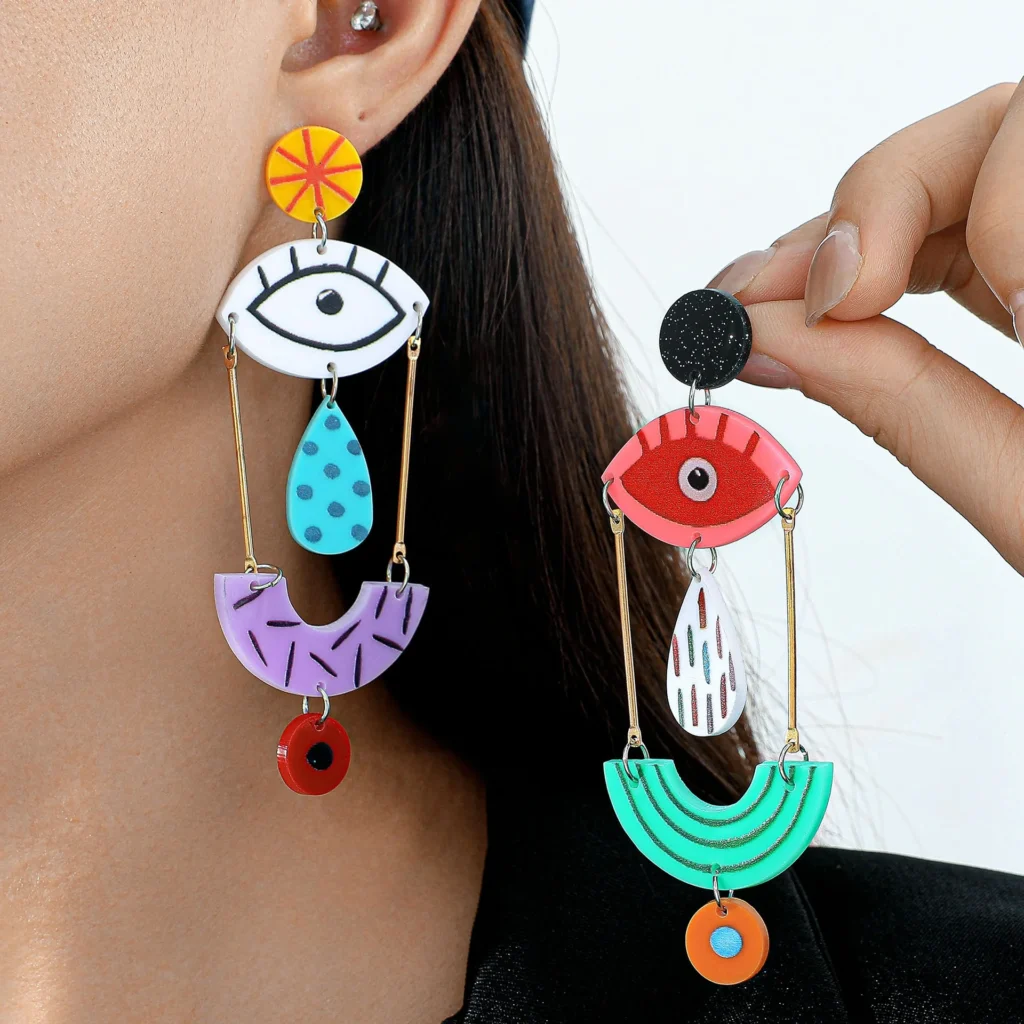
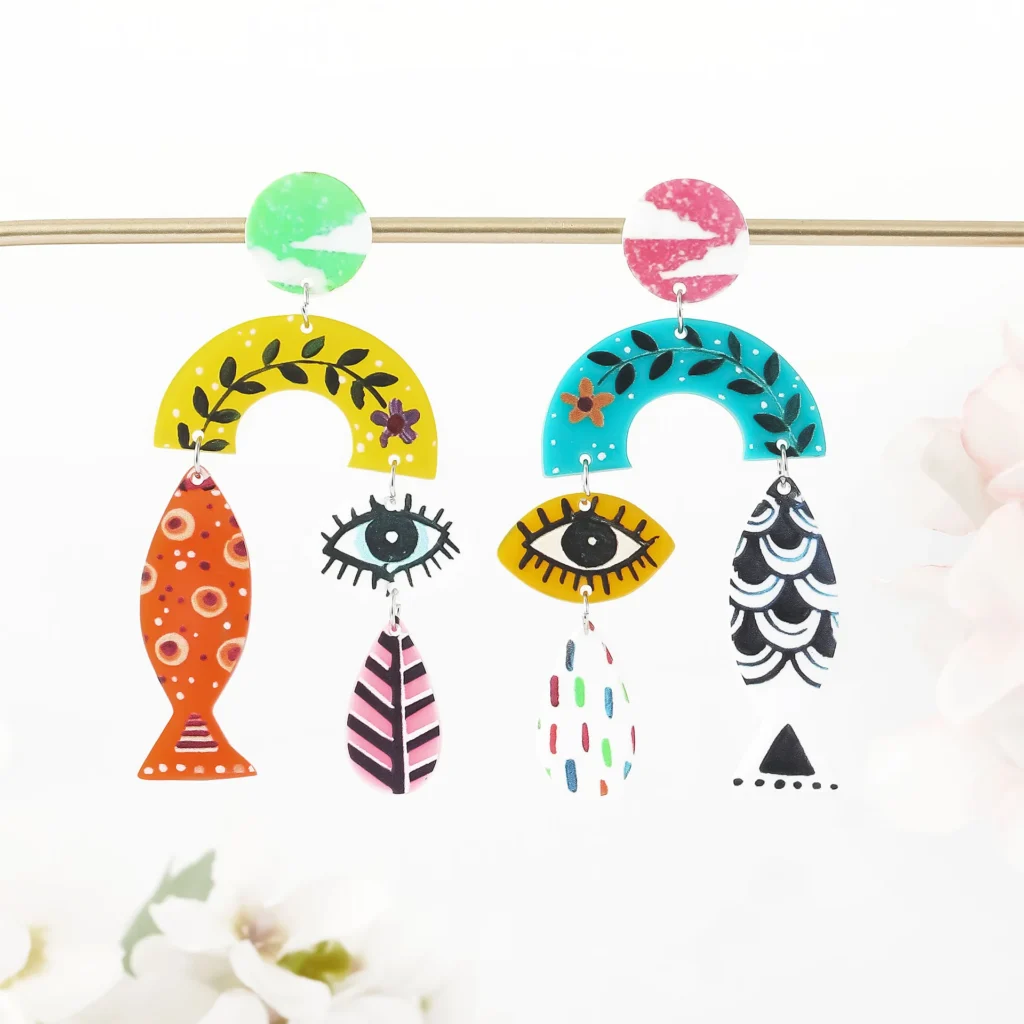
Decorative components need special attention in fashion jewelry quality control. Rhinestones should sit evenly, pearls should be secure, and beads should not loosen after light handling. If your assortment includes wholesale rings, statement earrings, or bracelets, this step is essential.
A simple inspection can include visual alignment, light pull testing where appropriate, and random checks from different cartons. For delicate products, ask your supplier how the goods are packed to reduce pressure during shipping.
4. Review Size, Fit, and Wearability
Jewelry can pass a visual check but still fail in use if the size or fit is wrong. Earrings may be too heavy, bracelets may be too tight, rings may not match the declared size, and necklaces may sit differently from the buyer’s expectations.
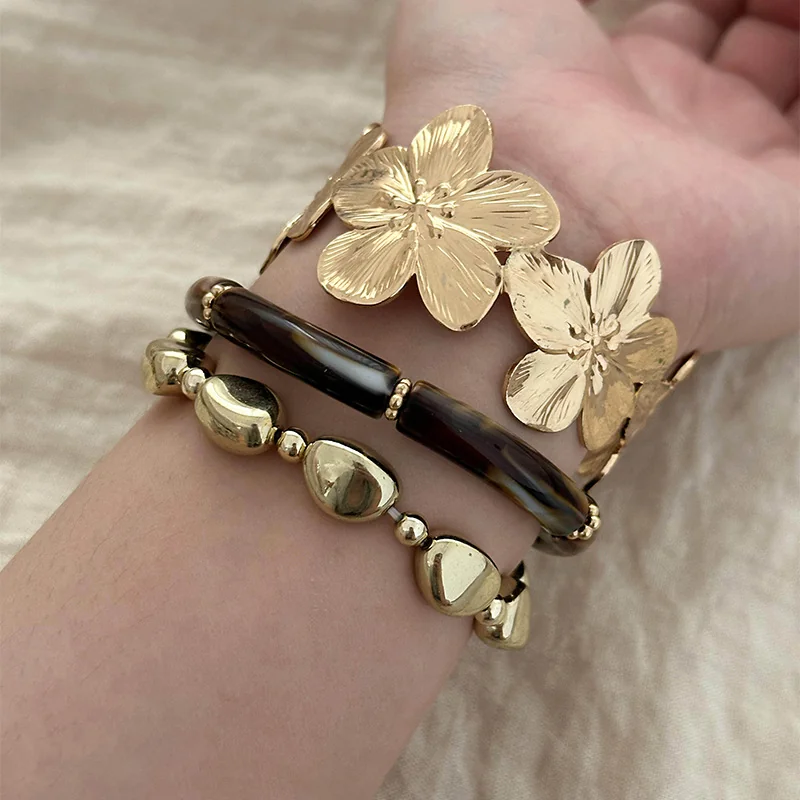
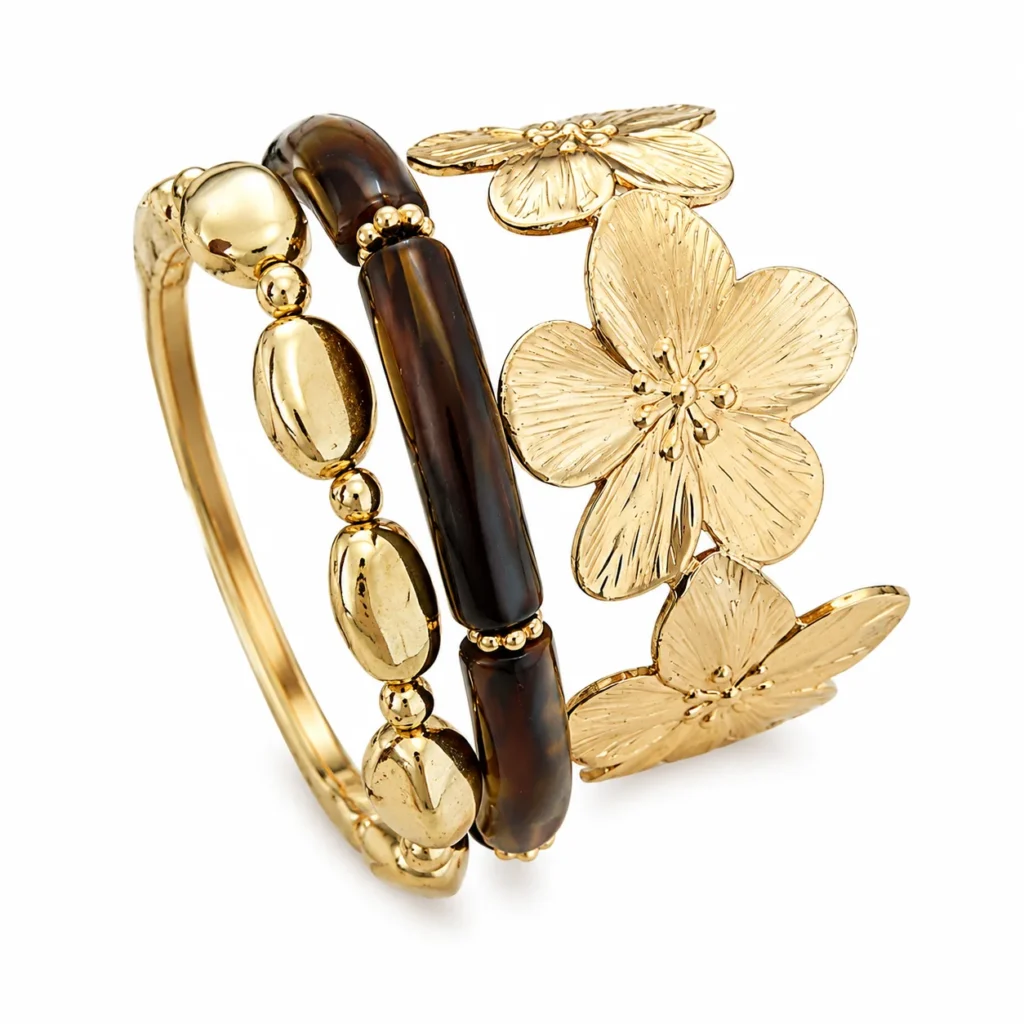
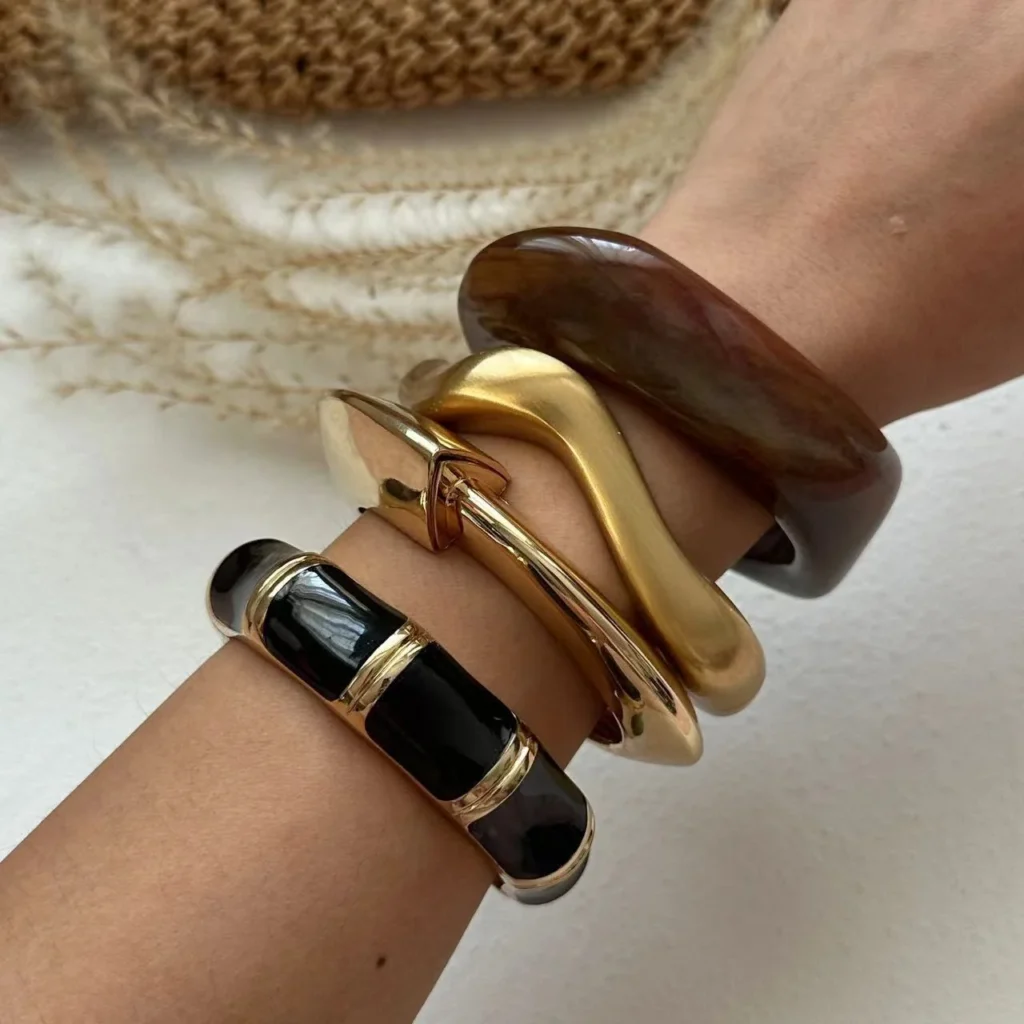
For bracelet and bangle products, compare diameter, opening width, hinge movement, clasp function, and comfort at the wrist. A product like the Irregular Shaped Bracelet is visually strong, but buyers should still confirm that the shape is comfortable and that the opening works for the intended customer group.
5. Verify Packaging Before Shipment
Packaging protects the product and shapes the customer’s first impression. For wholesale jewelry, packaging should prevent scratches, stone damage, chain tangling, and pair mismatches. Retailers using private label packaging should also check logo position, card thickness, barcode labels, and carton marks.
Before shipment, confirm these packaging details:
- Each pair or piece is separated properly.
- Cards, bags, or boxes match the approved sample.
- Labels and SKU numbers match the packing list.
- Outer cartons are strong enough for the transport method.
- Mixed styles are packed in a way that supports easy warehouse receiving.
Brands needing custom cards, tags, or collection packaging can review Aurolumia’s OEM and ODM jewelry service or send requirements through the contact page.
FAQ
What should B2B buyers check before approving jewelry samples?
Buyers should check design accuracy, measurements, plating color, stones, closures, packaging, and whether the sample matches the target customer and price point.
How can retailers reduce quality issues in wholesale jewelry orders?
Use approved samples, written specifications, pre-shipment checks, and clear packaging requirements. Starting with a smaller test order can also reduce risk.
Can Aurolumia help with OEM or ODM jewelry quality requirements?
Yes. Buyers can share product ideas, packaging needs, and order details through Aurolumia’s contact page to discuss wholesale, OEM, and ODM support.