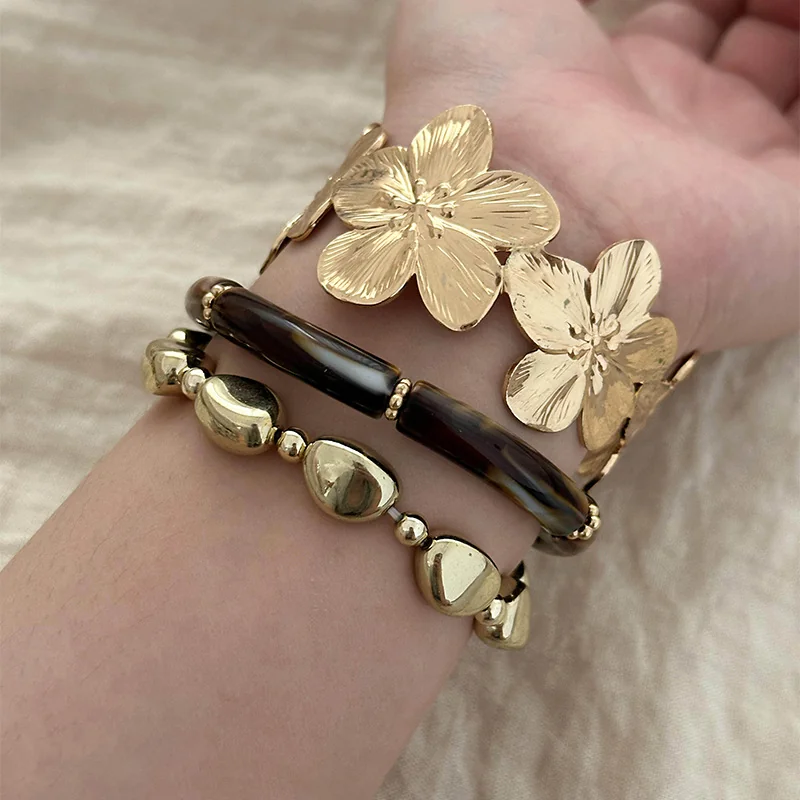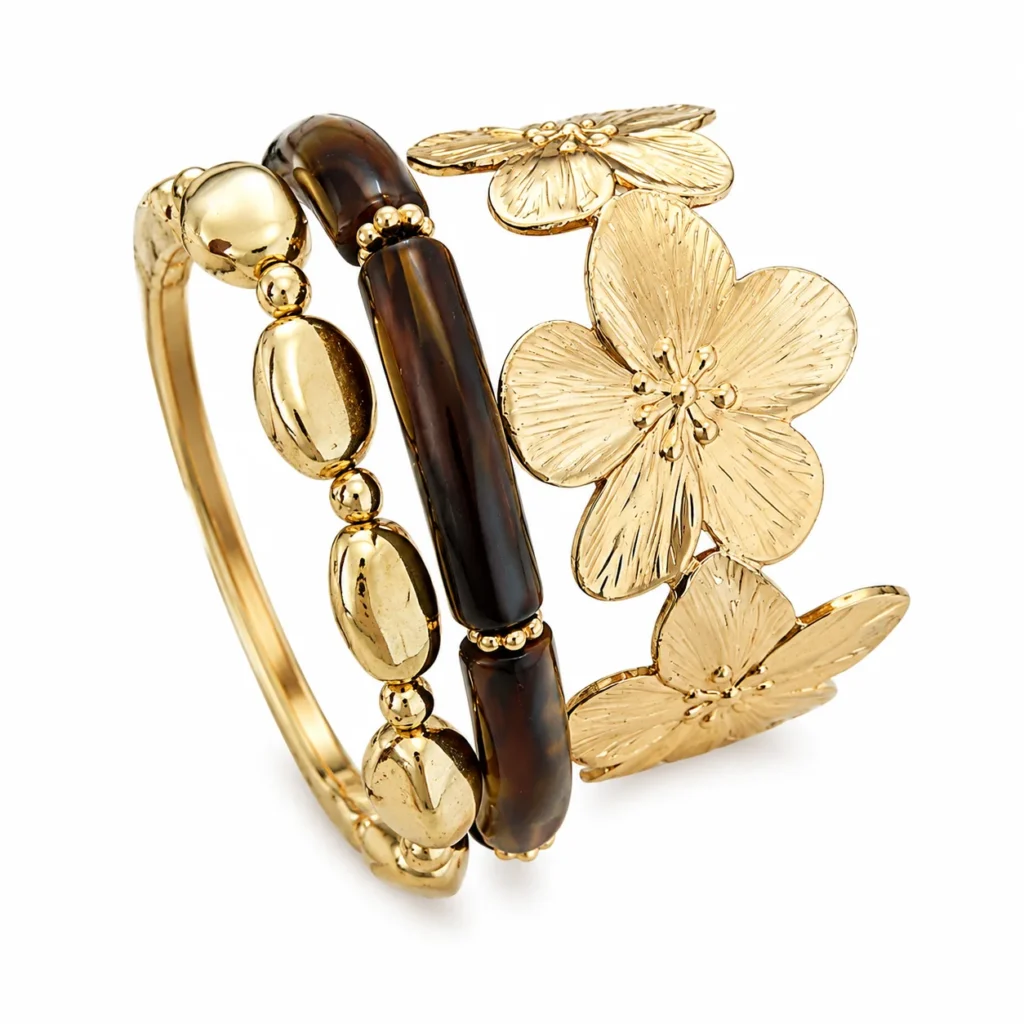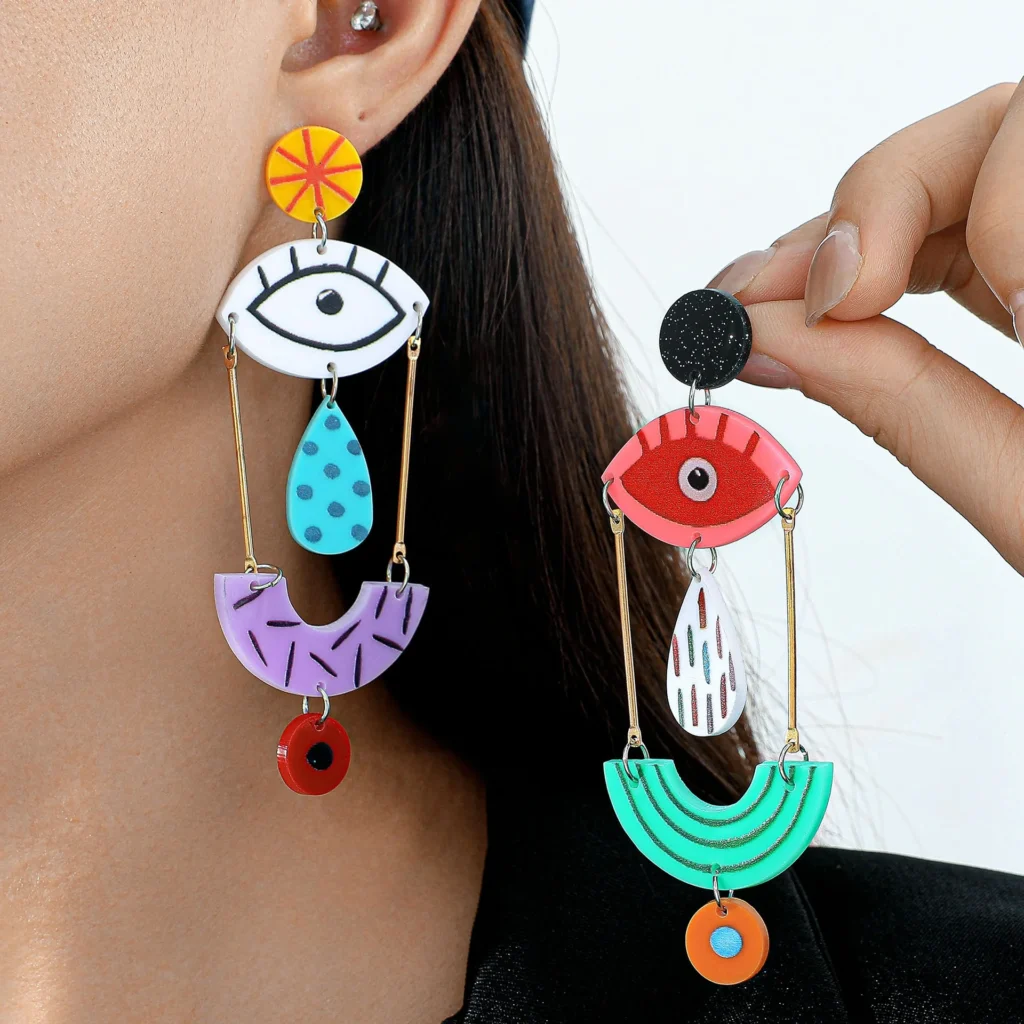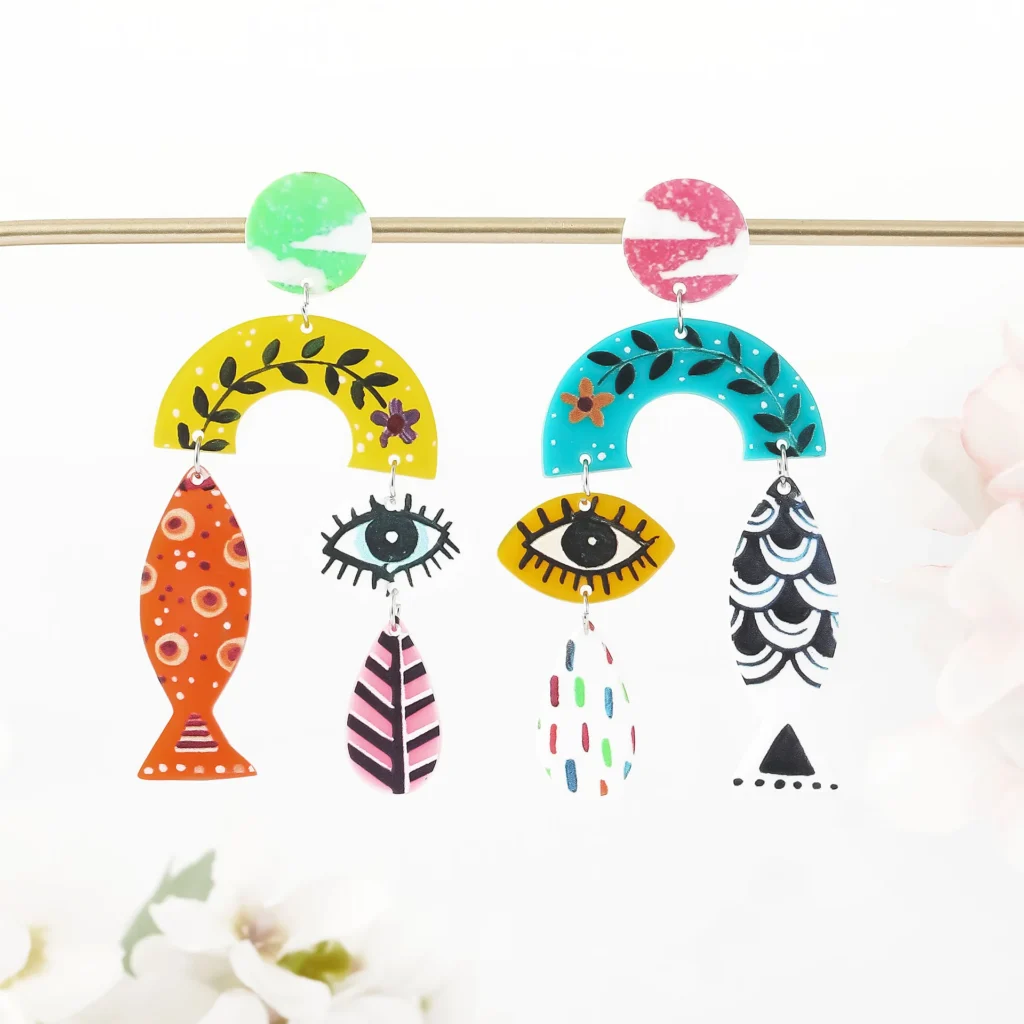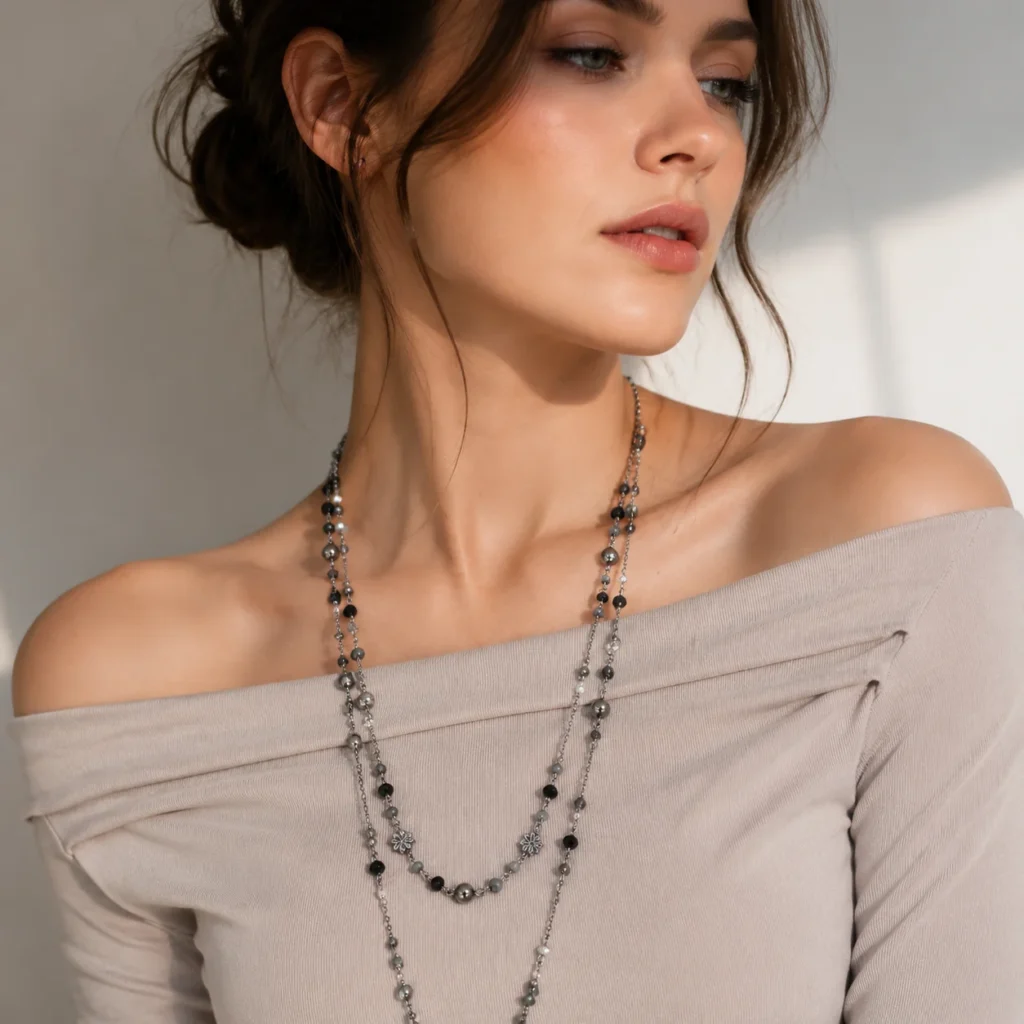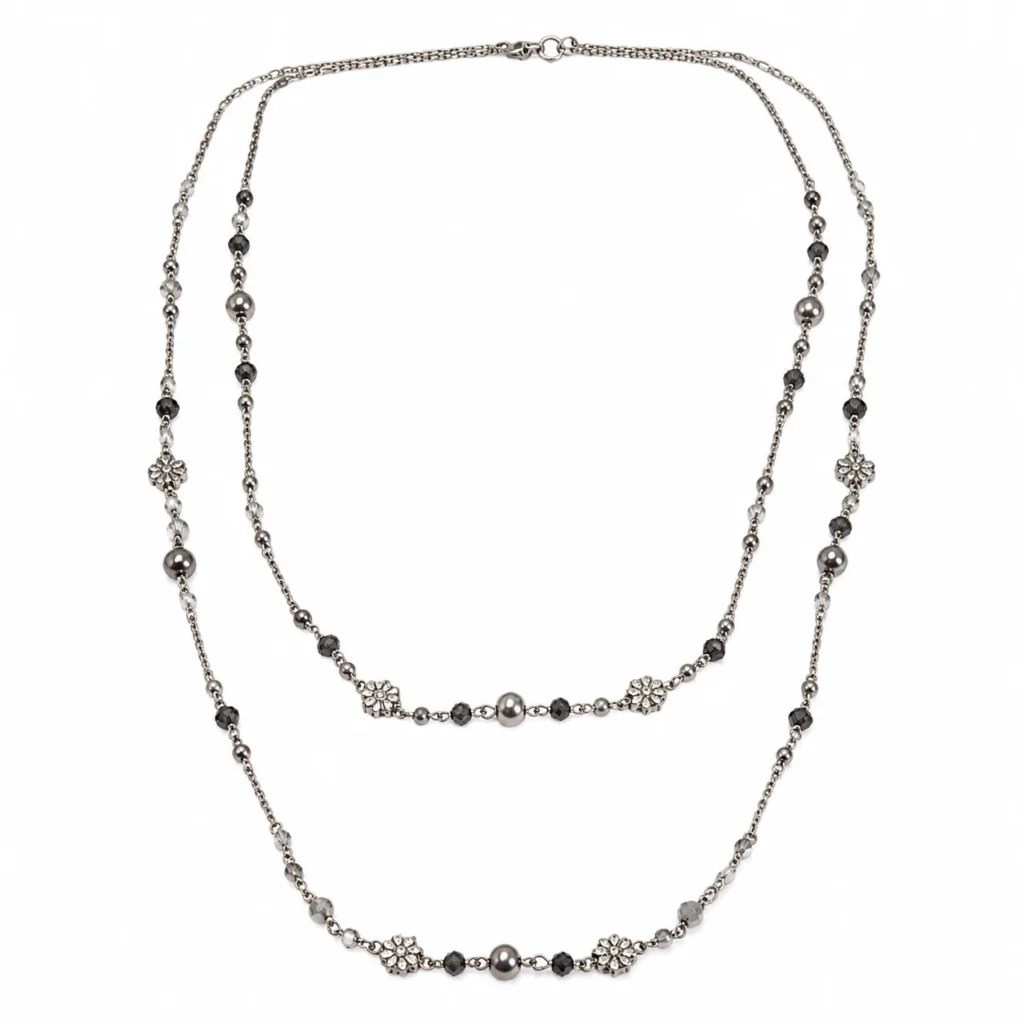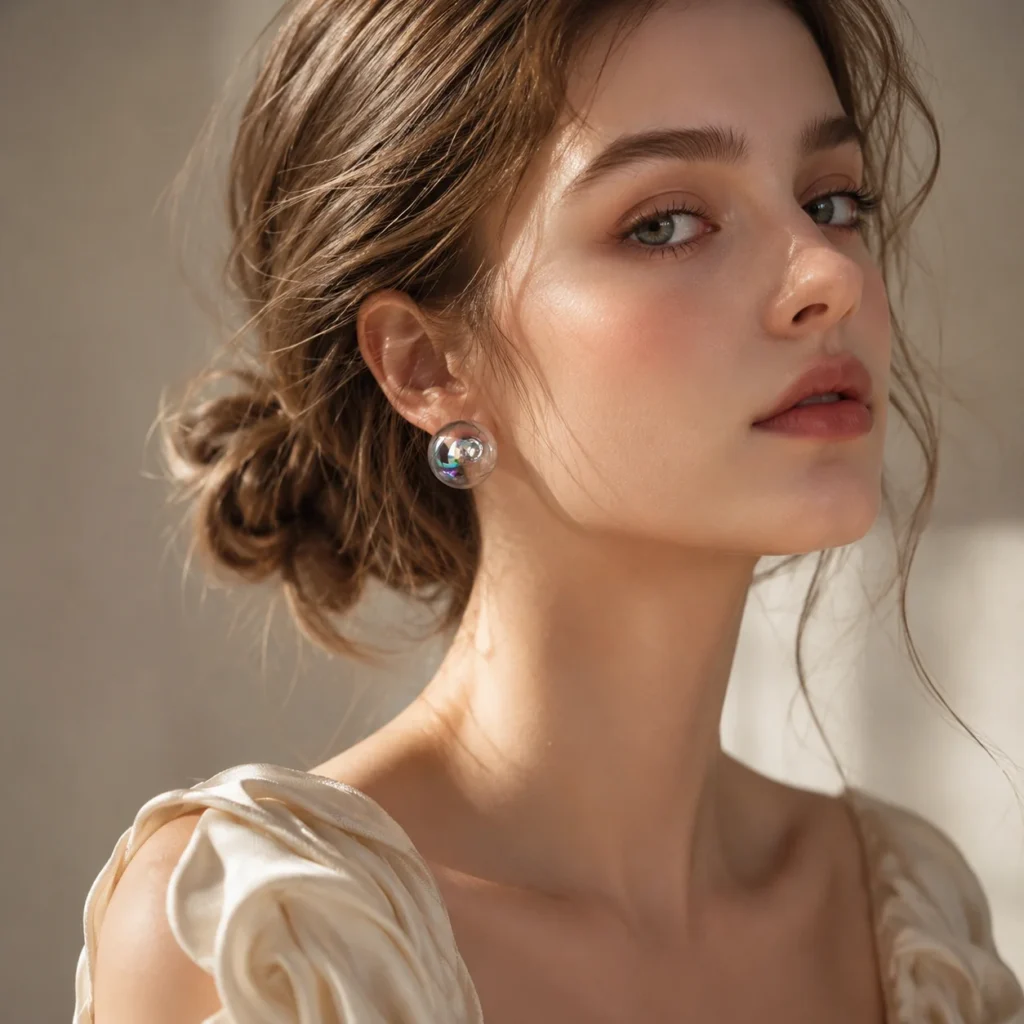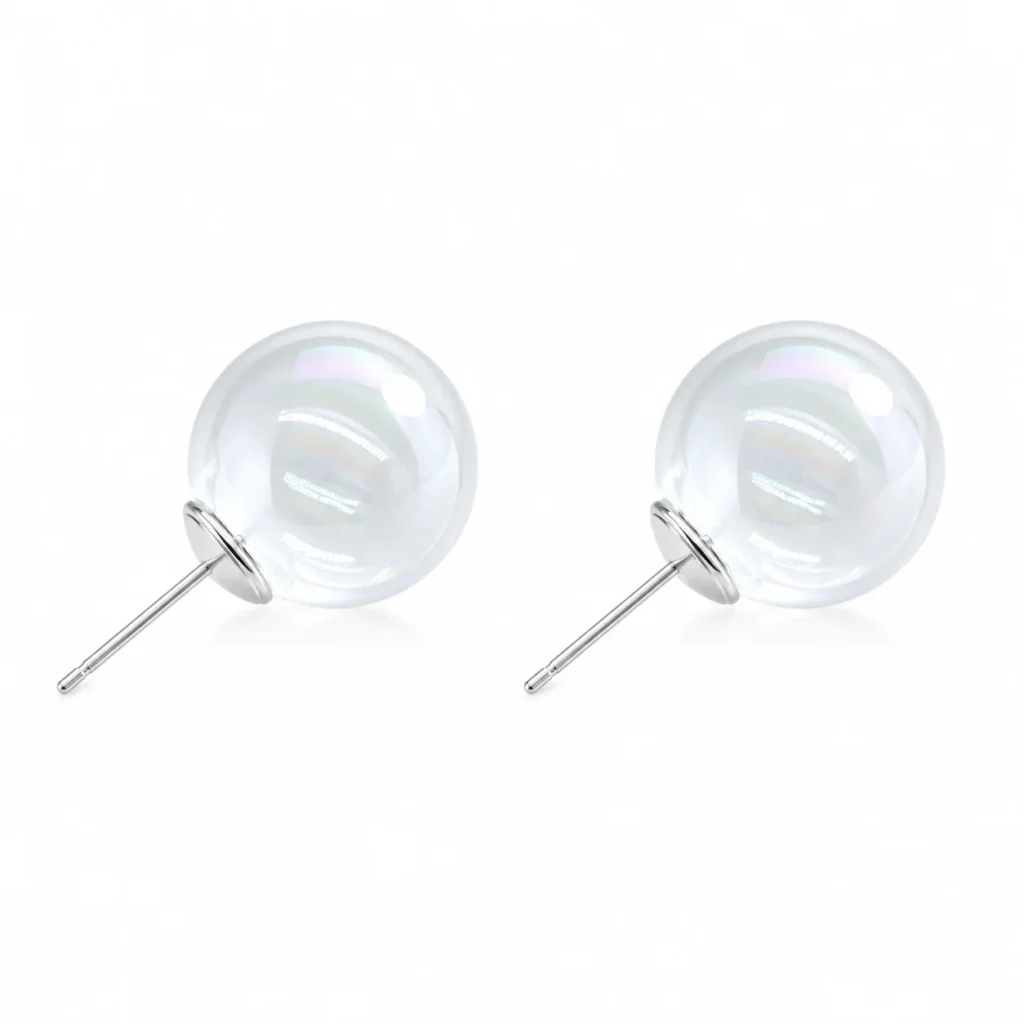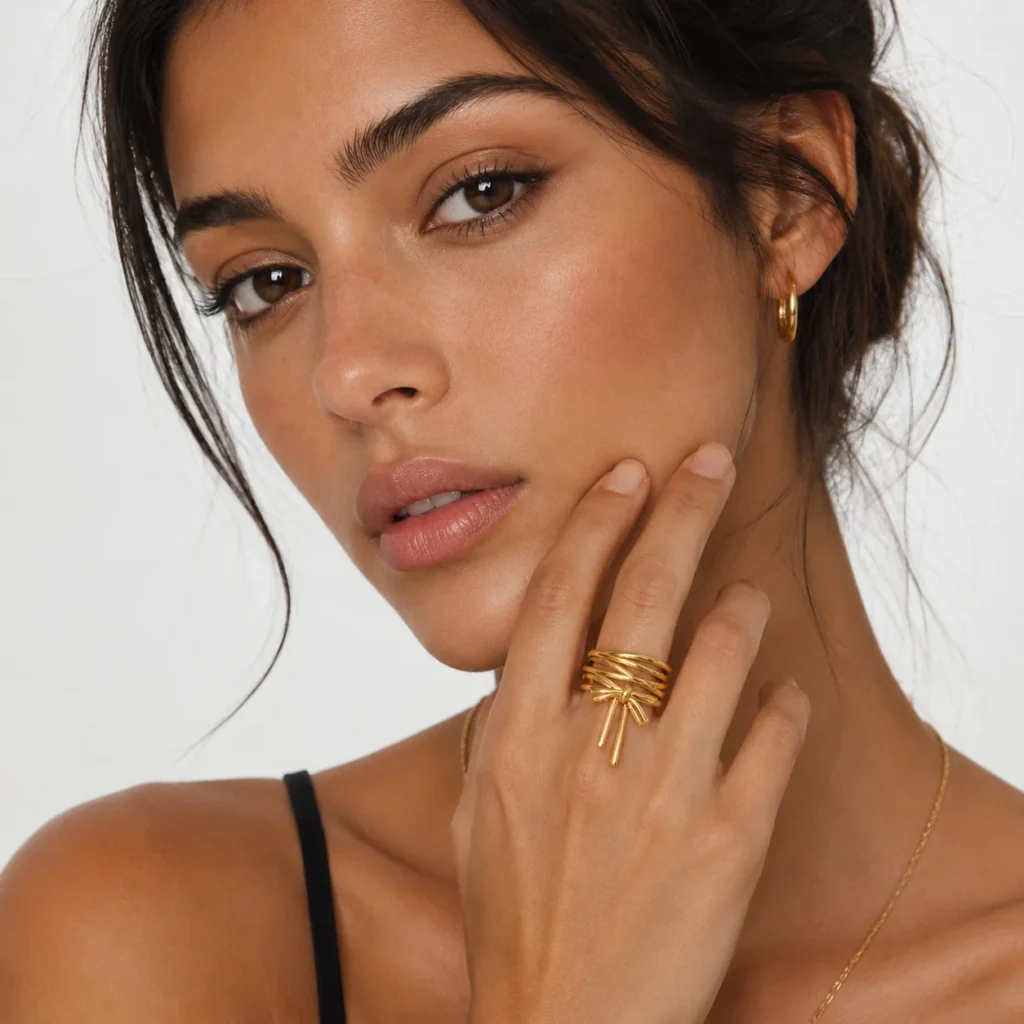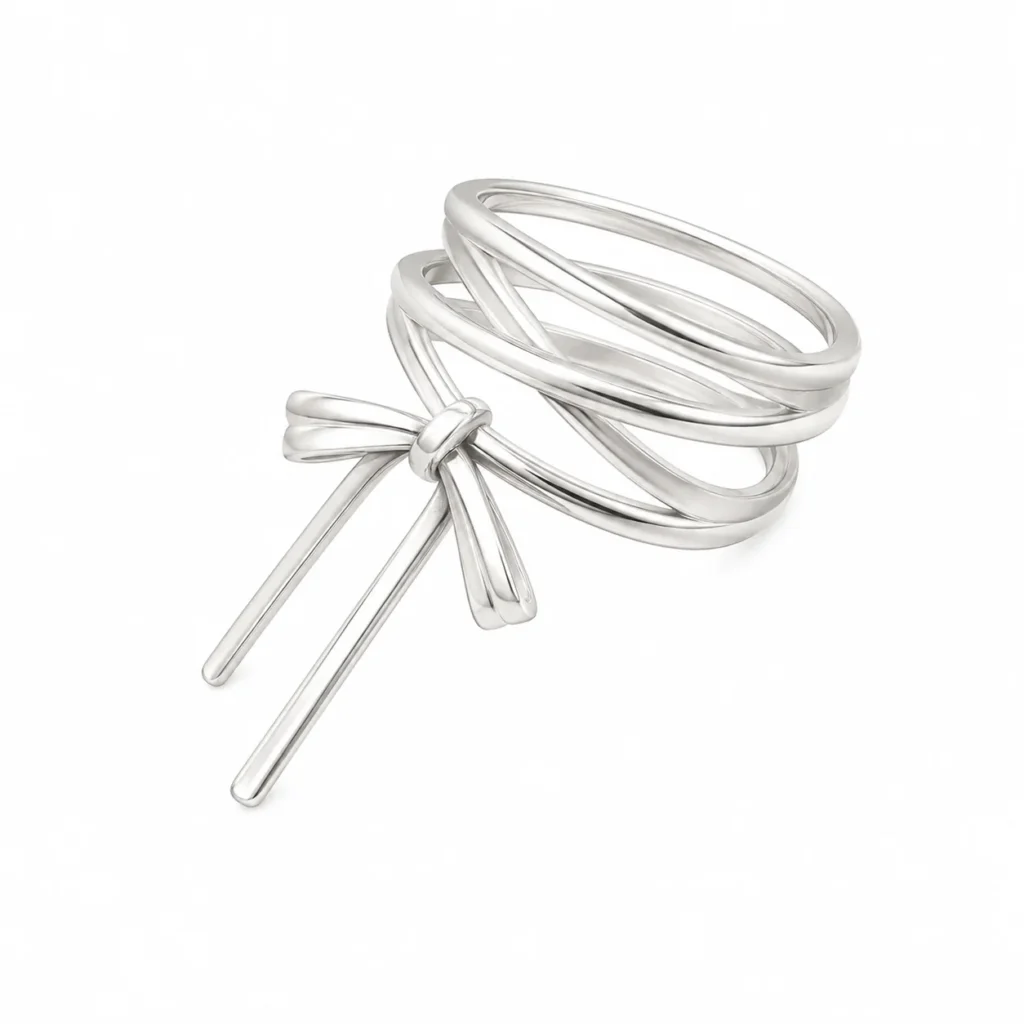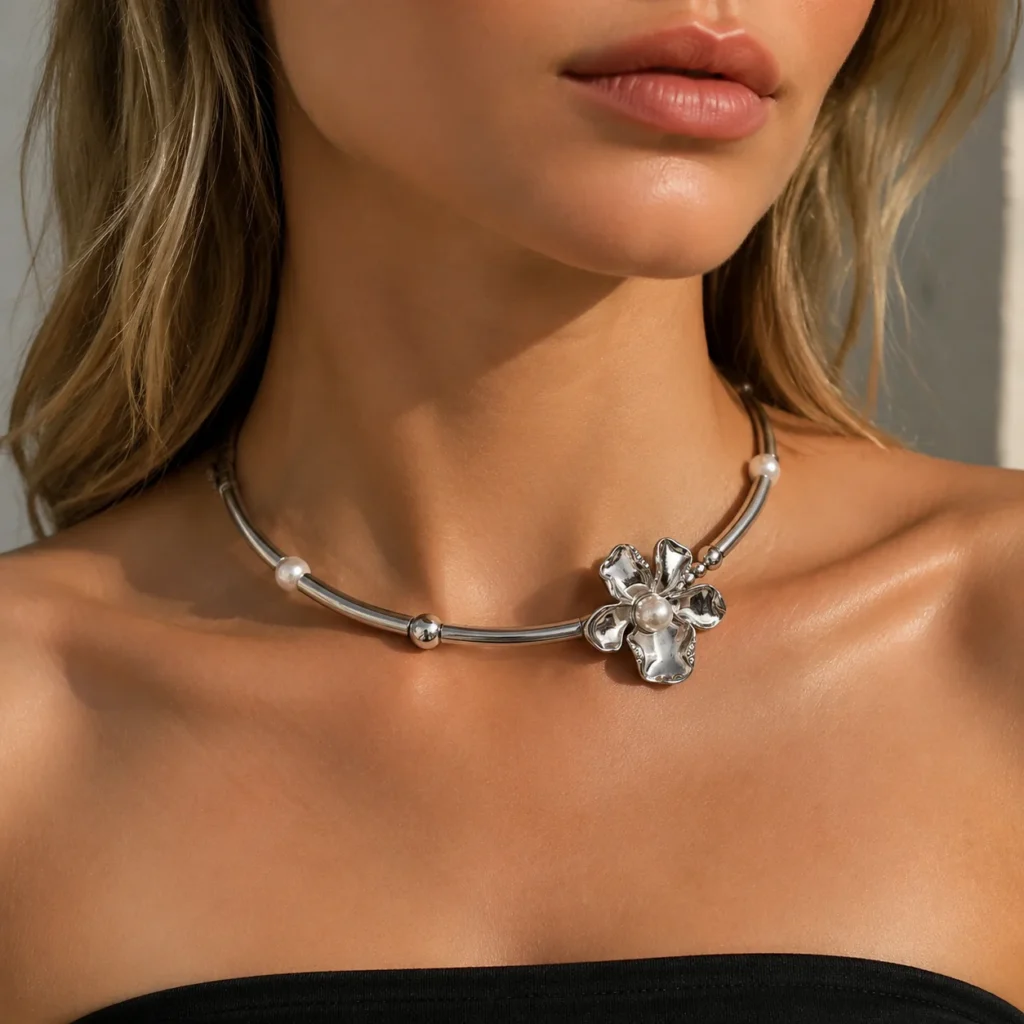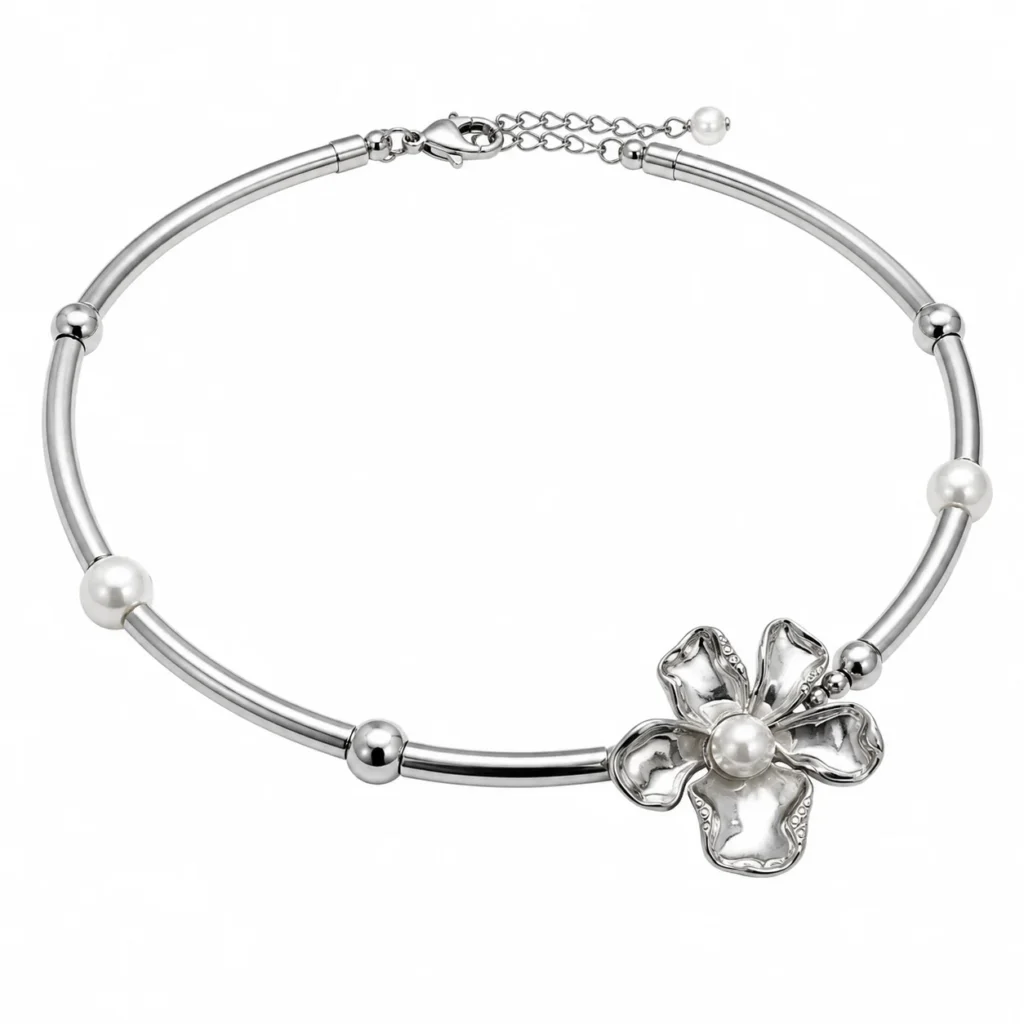
Working with a custom jewelry manufacturer can help fashion brands, boutiques, online sellers, and private label businesses move from general wholesale buying to a more distinctive jewelry collection. Ready-stock wholesale products are useful for fast testing, but OEM and ODM jewelry services give buyers more control over design direction, branding, packaging, materials, and product stories.
For B2B jewelry buyers, custom development is not only about creating something new. It is about building a product range that fits your customer profile, target price point, visual identity, and launch calendar. This guide explains how OEM and ODM jewelry production works, what buyers should prepare, and how to communicate with a supplier before starting a custom jewelry project.
What Is a Custom Jewelry Manufacturer?
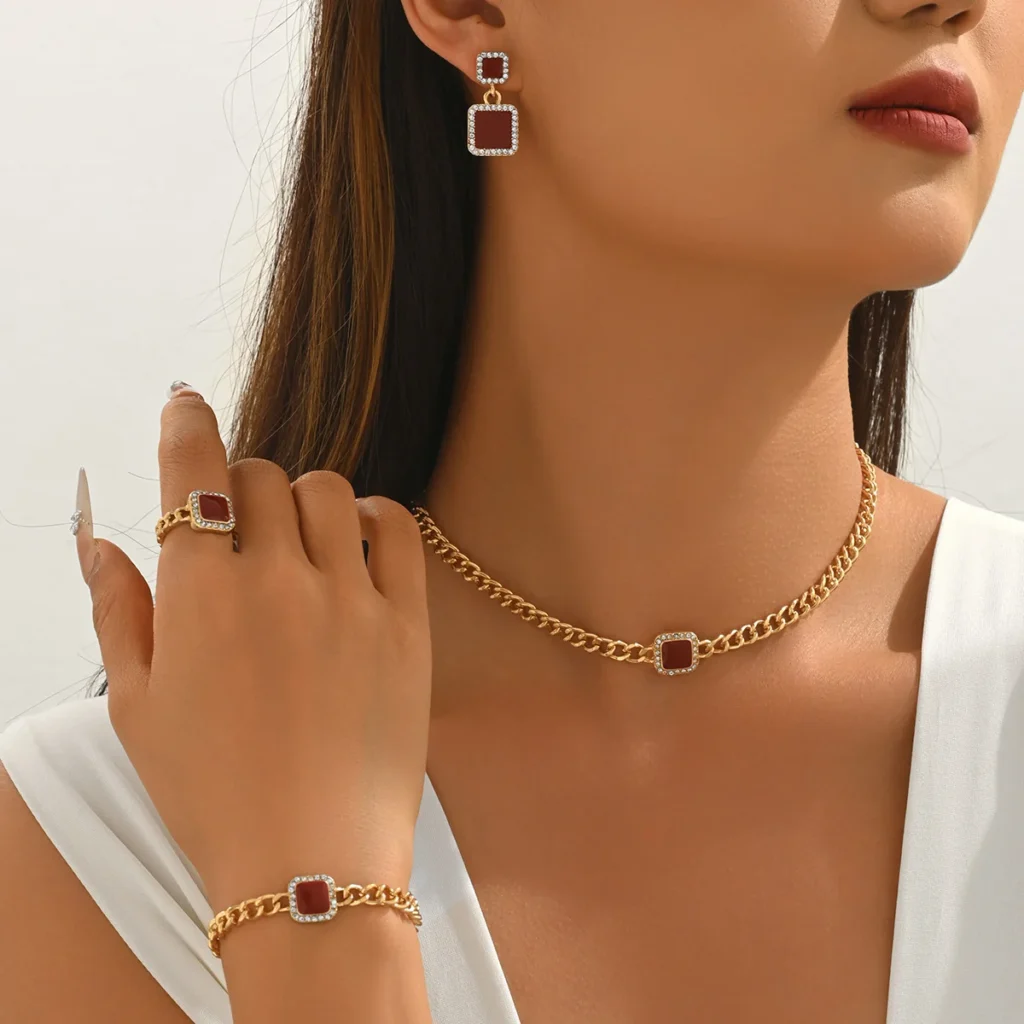
A custom jewelry manufacturer helps buyers produce jewelry based on design requirements, reference samples, brand positioning, or market trends. In B2B sourcing, this may include earrings, necklaces, rings, bracelets, bangles, anklets, jewelry sets, private label packaging, logo cards, or collection development.
Some buyers already have technical drawings or physical samples. Others only have mood boards, target customers, material preferences, and price goals. A capable supplier should be able to discuss the project from both sides: design feasibility and commercial suitability. The result should be jewelry that looks good, can be produced consistently, and makes sense for the buyer’s sales channel.
Aurolumia supports both ready-style wholesale sourcing through the Jewelry catalog and custom project discussion through the OEM & ODM page.
OEM vs ODM Jewelry: What Is the Difference?
OEM jewelry production usually starts with the buyer’s own design. The buyer may provide drawings, brand requirements, measurements, material specifications, color references, packaging artwork, or a physical sample. The manufacturer helps turn that design into a product that can be sampled and produced in quantity.
ODM jewelry development is different. With ODM, the supplier helps develop styles based on a buyer’s market direction. For example, a boutique brand may ask for pearl jewelry with a romantic style, geometric rings for a minimalist customer, or bold earrings for a holiday collection. The supplier can recommend existing design directions, materials, and product structures that fit the buyer’s needs.
For new brands, ODM can be a practical starting point because it reduces the pressure of designing every product from zero. For more mature brands, OEM can help protect a stronger brand identity and create more exclusive pieces.
When Should Buyers Move From Wholesale to Custom Jewelry?
Wholesale buying is often the best first step when a retailer wants to test categories, understand customer response, and build initial sales data. Once a store knows which styles perform well, custom jewelry can help create differentiation and improve brand recognition.
Buyers may be ready for OEM or ODM jewelry when they want exclusive colors, modified sizes, branded packaging, custom charms, coordinated sets, private label presentation, or a collection that competitors cannot easily copy. Custom production can also help brands prepare seasonal launches, influencer collections, gift programs, or retailer-exclusive products.
If you are still testing the market, browse core categories such as Earrings, Necklaces & Pendants, Rings, and Bracelets. If you already know your direction, a custom inquiry may be the better next move.
Prepare a Clear Design Brief
A strong custom jewelry project begins with a clear design brief. The brief does not need to be overly complicated, but it should give the supplier enough information to understand the commercial goal. Useful details include target customer, preferred style, product category, material direction, color palette, size expectations, approximate order quantity, packaging needs, target price range, and launch timeline.
Images are also very helpful. Buyers can share mood boards, competitor references, sketches, product photos, color samples, packaging examples, or previous best-selling items. The clearer the brief, the easier it is for the manufacturer to suggest realistic options and avoid unnecessary sampling rounds.
Think About Materials, Finish, and Price Point Together
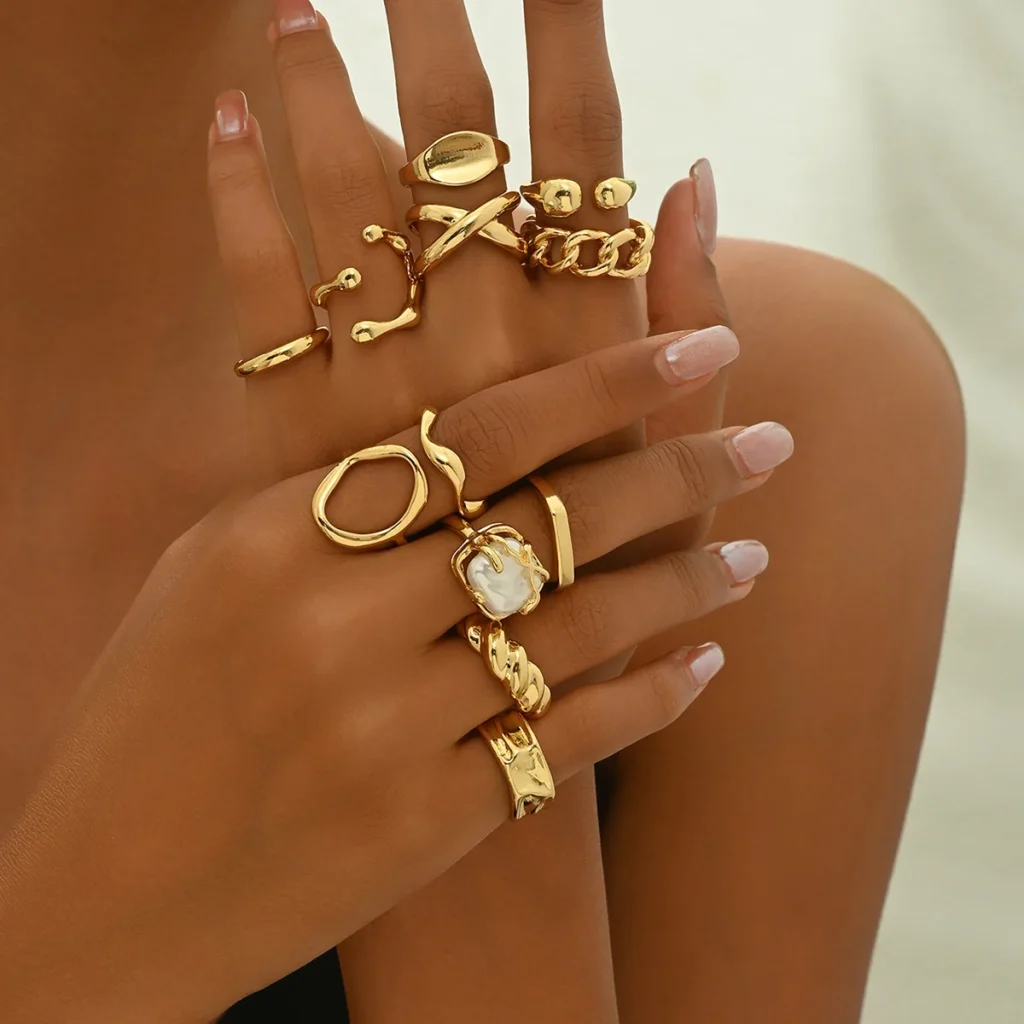
Materials and finish directly affect cost, perceived value, and customer expectations. Fashion jewelry may use stainless steel, alloy, copper, zinc alloy, faux pearl, resin, acrylic, rhinestone, fabric, or mixed materials. Each choice has tradeoffs in weight, shine, durability, color, and production cost.
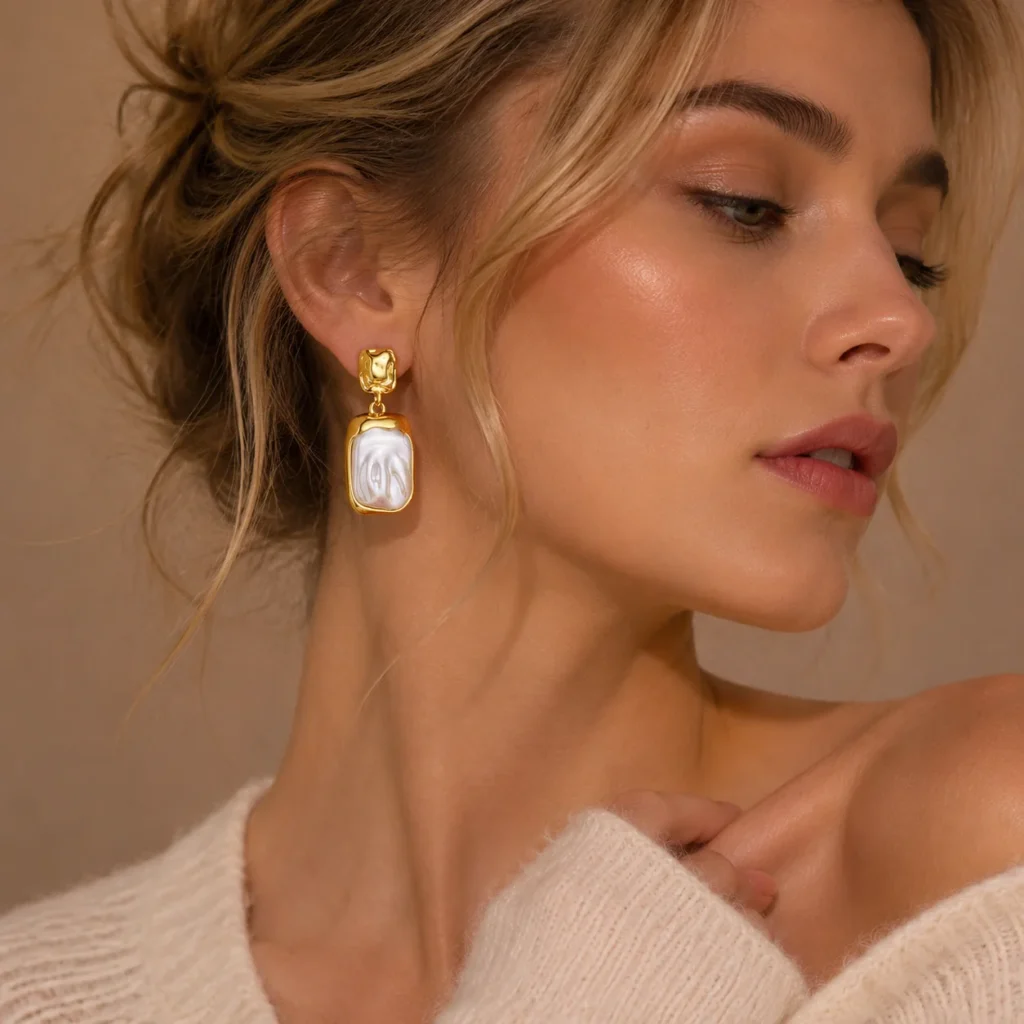
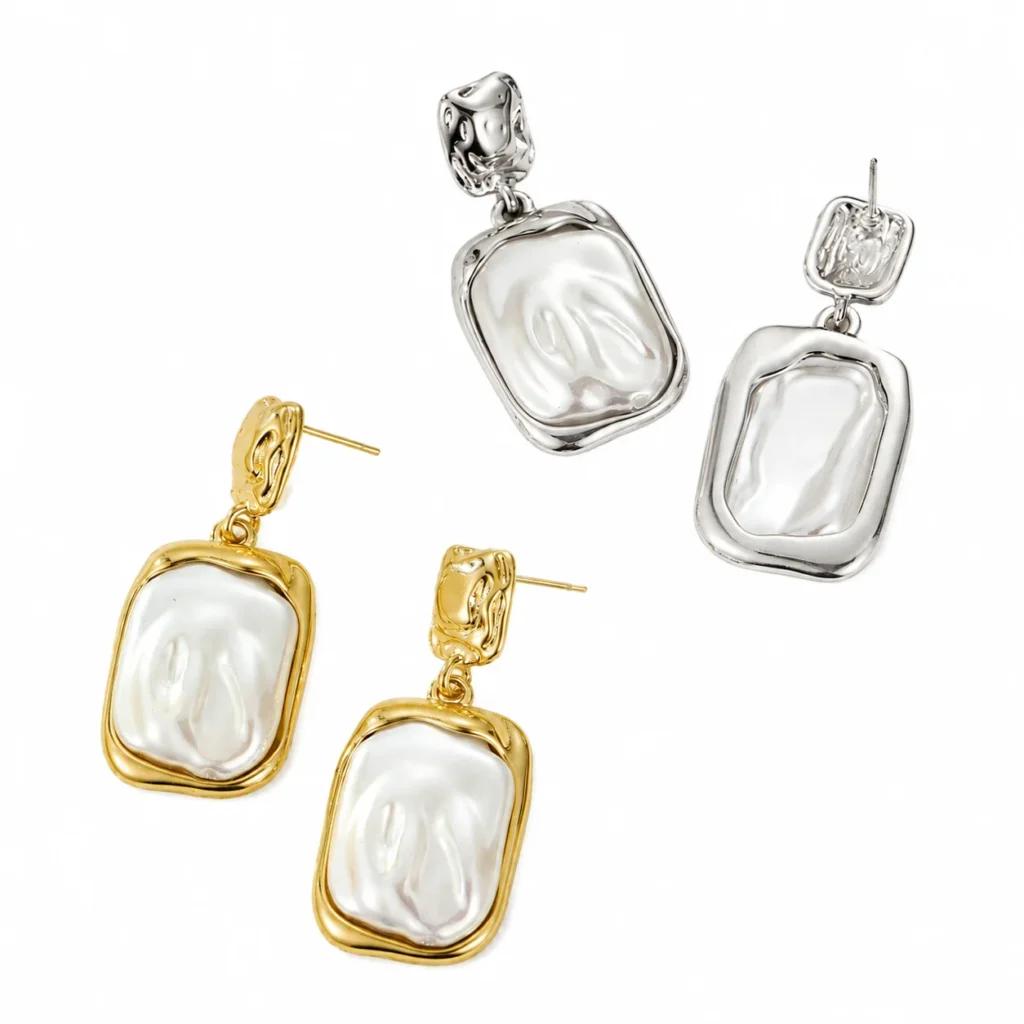
For B2B buyers, the best material is the one that fits the target product role. Stainless steel can support cleaner modern pieces and many everyday designs. Faux pearl and mother-of-pearl effects can create elegant giftable styles. Resin and acrylic can support color-focused collections. Alloy and copper-based pieces may allow more expressive shapes and decorative details.
When contacting a custom jewelry manufacturer, it is helpful to mention your target retail price and wholesale budget. That allows the supplier to recommend materials and finishing options that make commercial sense.
Plan Packaging and Private Label Details Early
Private label jewelry is not only about the jewelry itself. Packaging can influence how customers perceive the product and how retailers present it in stores or online. Buyers may need branded cards, pouches, boxes, care cards, barcode labels, hang tags, or display-ready packaging.
It is best to discuss packaging early because it affects cost, lead time, product photography, shipping weight, and retail presentation. If your brand needs a specific logo, color system, card size, or material, include those details in your first inquiry.
Ask About Samples, MOQ, and Production Timeline
Before placing a bulk order, buyers should clarify sample cost, sample lead time, minimum order quantity, bulk production time, packaging timeline, and shipping options. These details help avoid delays and make launch planning more realistic.
MOQ can vary depending on product type, material, custom parts, plating, packaging, and whether the project uses existing components or new tooling. A simple logo card may have a different MOQ from a fully custom pendant mold. A supplier can usually give better guidance after seeing the design brief and quantity target.
Use Existing Products as Development References
One efficient way to start custom jewelry development is to use existing products as reference points. Buyers can identify a product category, shape, color, or material they like, then ask whether it can be modified for a brand collection. This might include changing color, adjusting size, selecting another chain, developing matching earrings, or preparing private label packaging.
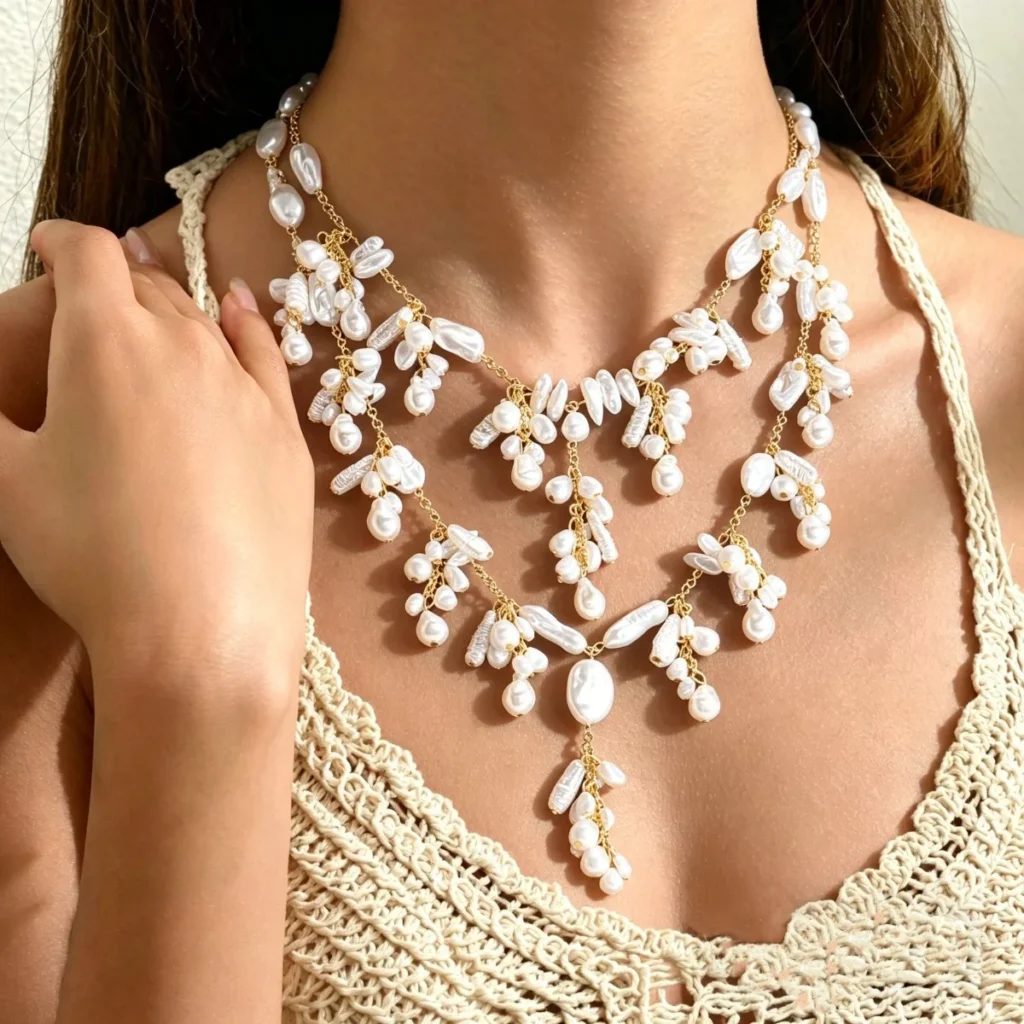
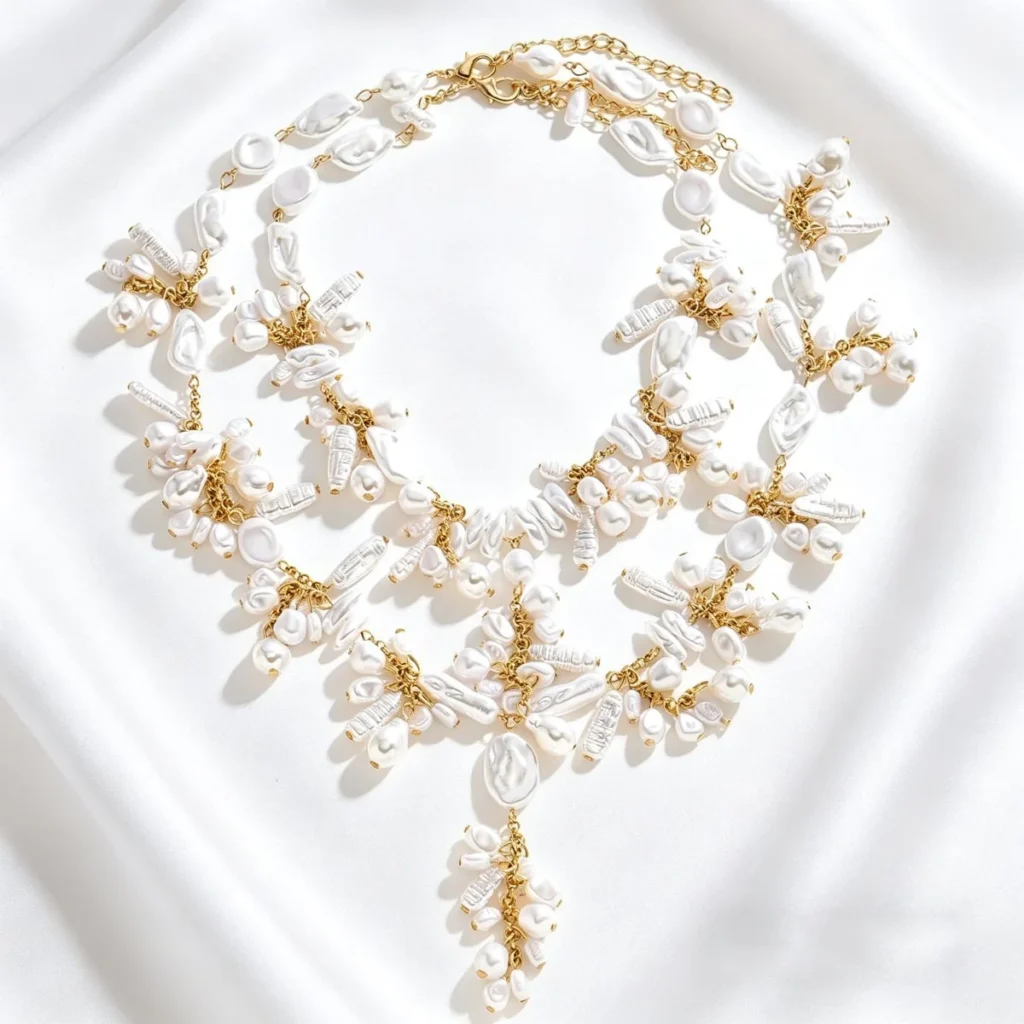
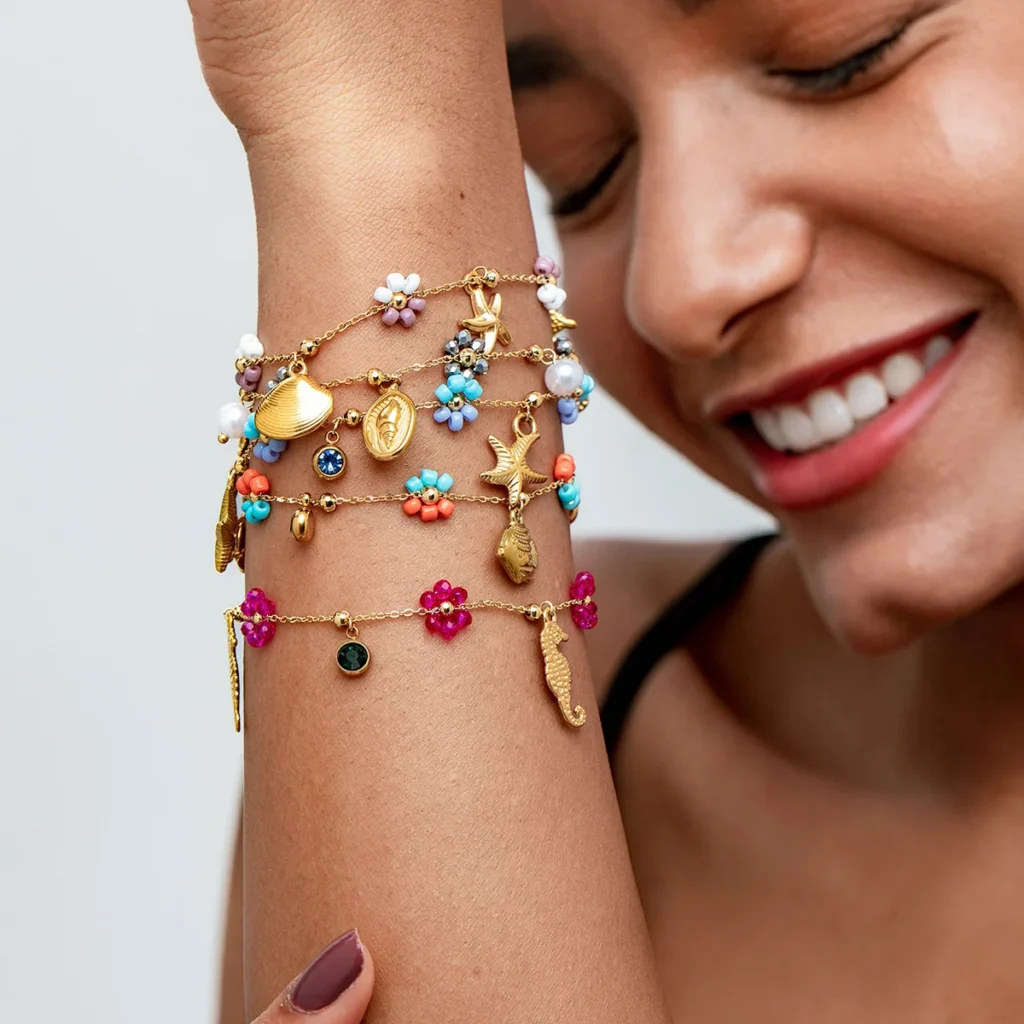
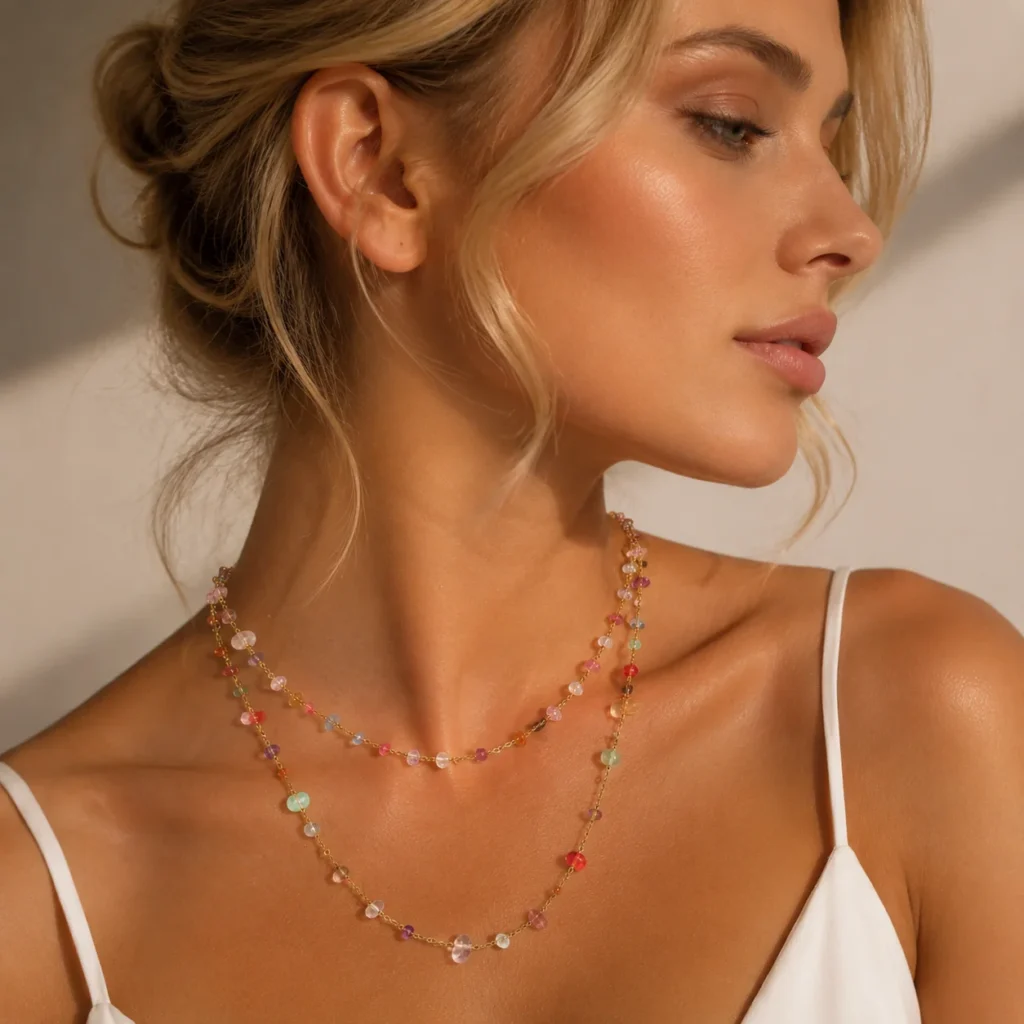
For example, a brand might use a pearl choker as inspiration for a bridal gift collection, a geometric ring as a starting point for a minimalist capsule, or a charm bracelet as the basis for seasonal motifs. Existing references make communication faster and reduce misunderstanding.
How to Start a Custom Jewelry Inquiry With Aurolumia
If your business is preparing a private label jewelry line, custom capsule collection, or OEM/ODM project, prepare your product references and sourcing details first. Include the category, style direction, estimated quantity, preferred materials, packaging needs, destination country, and required delivery timeline.
You can review Aurolumia’s OEM & ODM jewelry service for custom project support, browse product examples through the Jewelry catalog, or contact Aurolumia directly with your sourcing request.
For buyers focused specifically on earrings, our previous guide on choosing a wholesale earrings supplier can also help you plan a more practical product mix before customization.
FAQ
What is a custom jewelry manufacturer?
A custom jewelry manufacturer produces jewelry based on buyer requirements, design references, brand needs, or market direction. This can include OEM production, ODM development, private label packaging, and bulk jewelry manufacturing.
What is the difference between OEM and ODM jewelry?
OEM jewelry usually follows a buyer’s existing design or sample. ODM jewelry is developed with supplier support based on the buyer’s target market, style direction, materials, and product goals.
Can small brands start with custom jewelry?
Yes, but small brands should prepare a clear brief and ask about MOQ, sample costs, and production timelines. In some cases, modifying existing styles may be more practical than starting with a fully custom design.
Can I add my logo or private label packaging?
Private label options may include logo cards, jewelry pouches, boxes, care cards, hang tags, or other packaging details. Buyers should share packaging requirements early so the supplier can confirm cost and feasibility.
How do I request an OEM or ODM quote from Aurolumia?
Prepare your product references, target quantity, materials, packaging needs, destination country, and timeline. Then send your details through the Contact page or review the OEM & ODM page first.