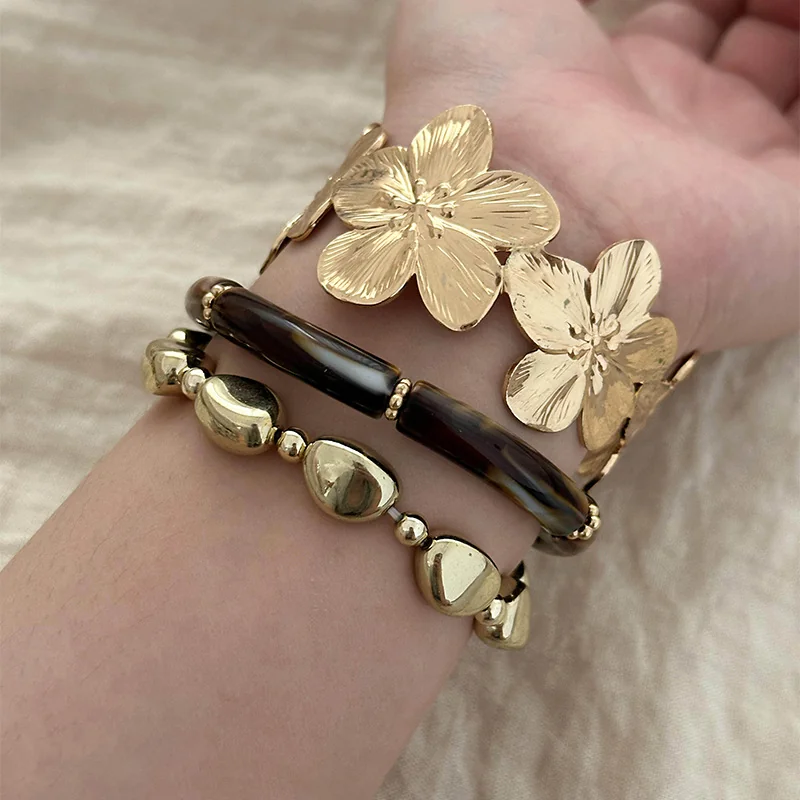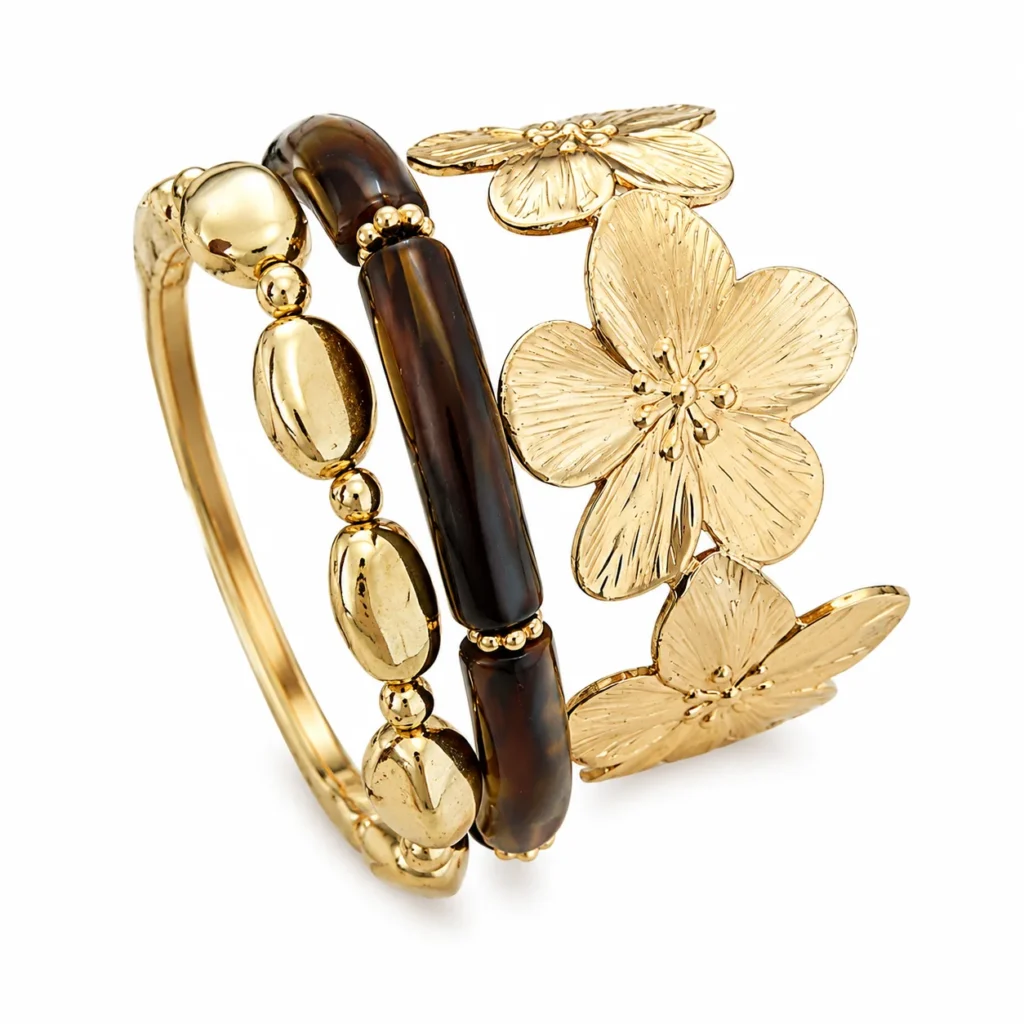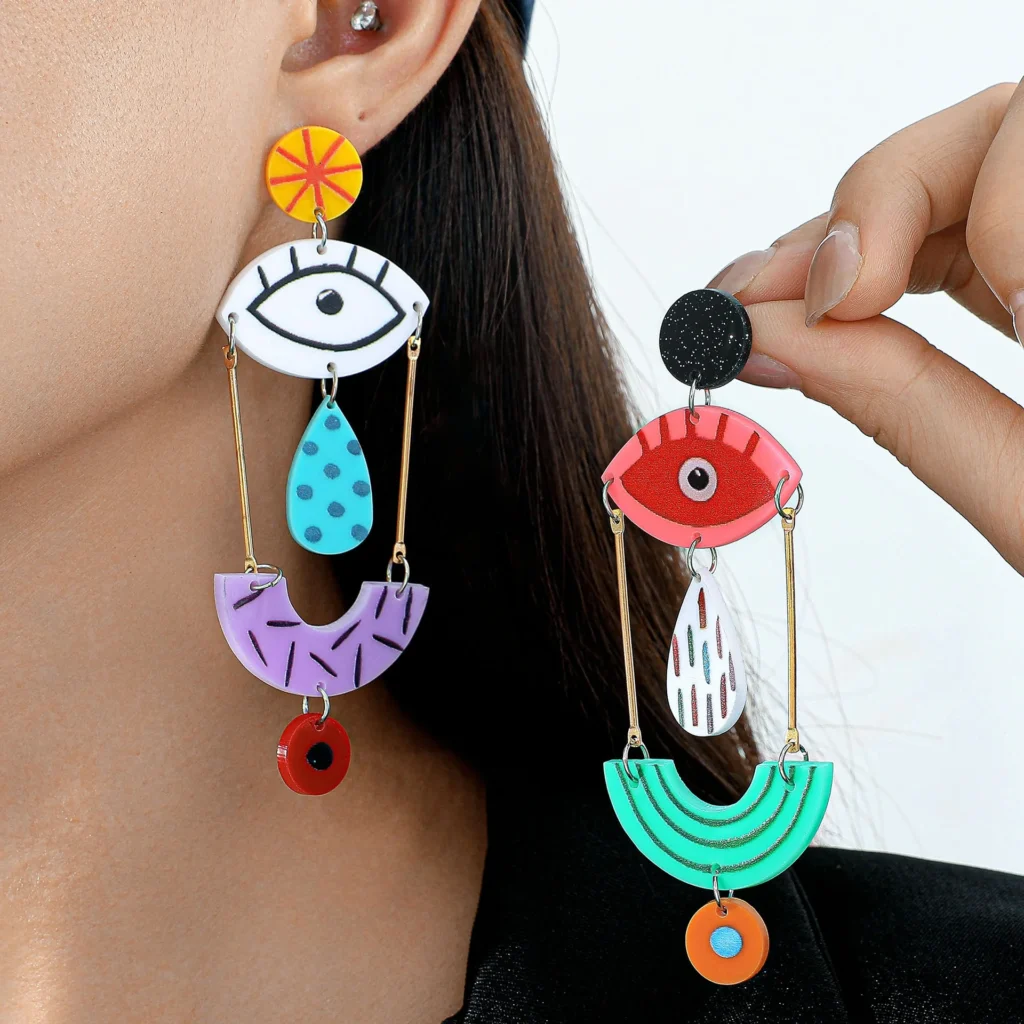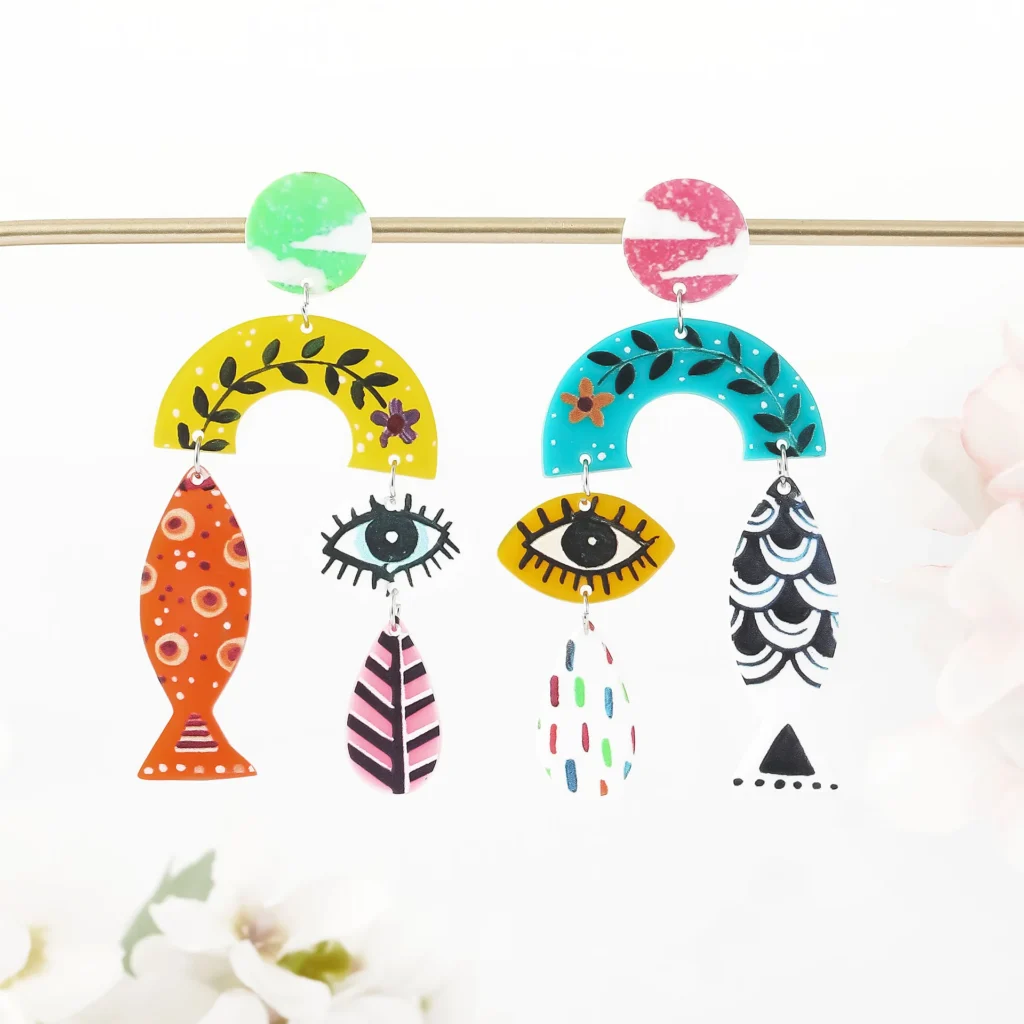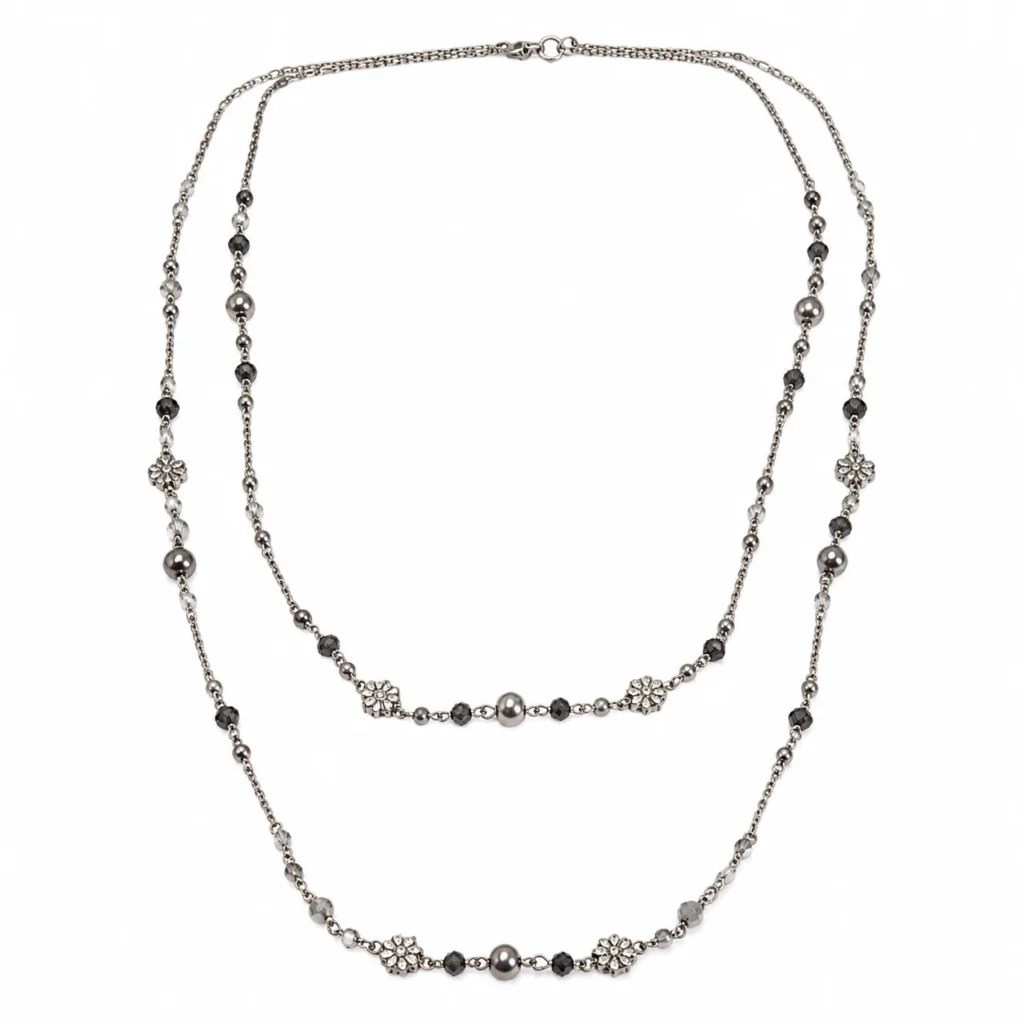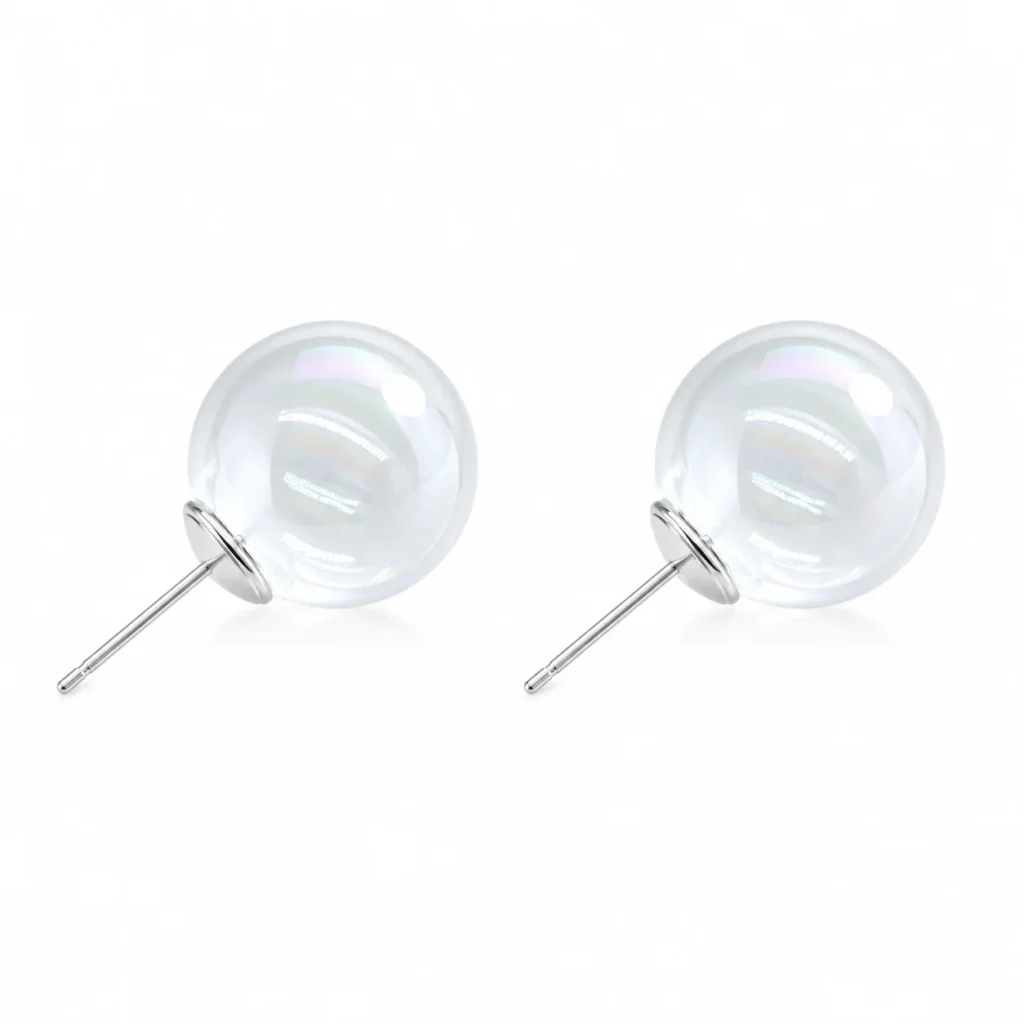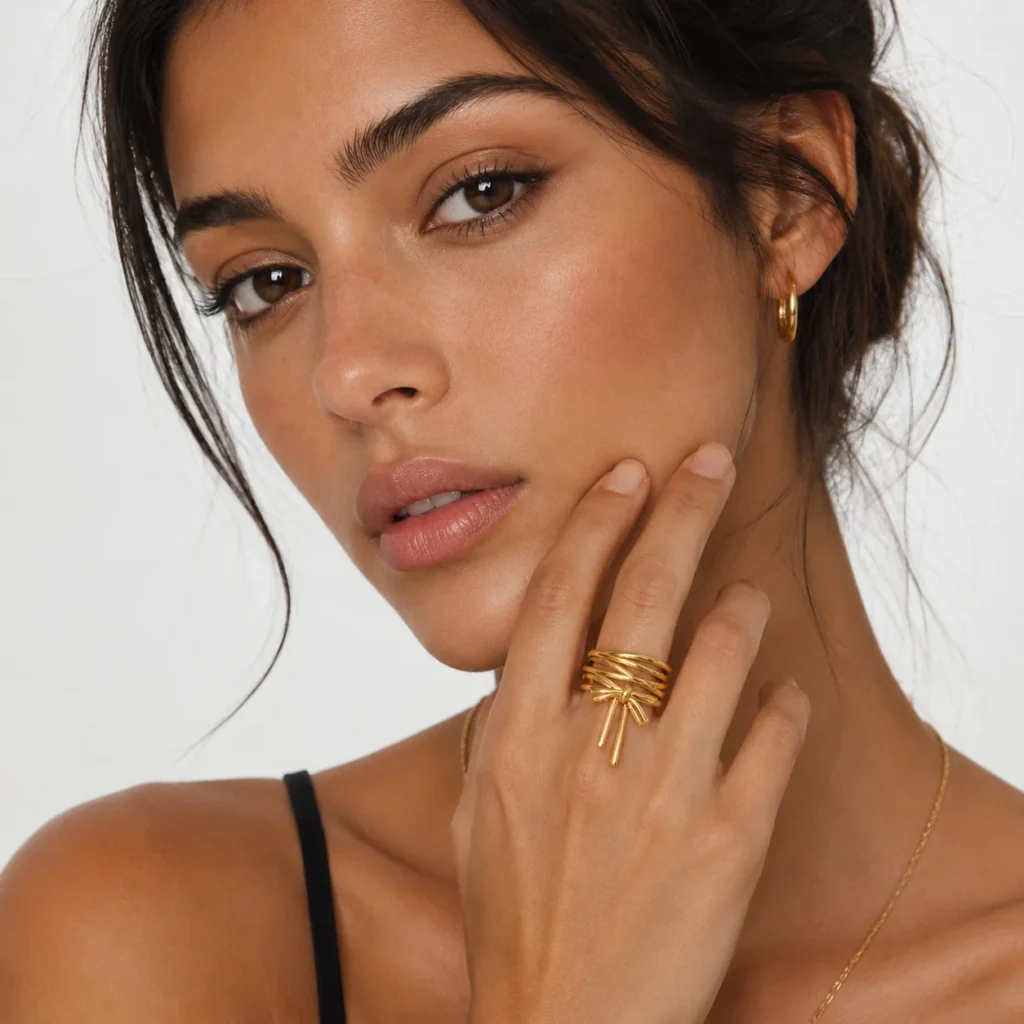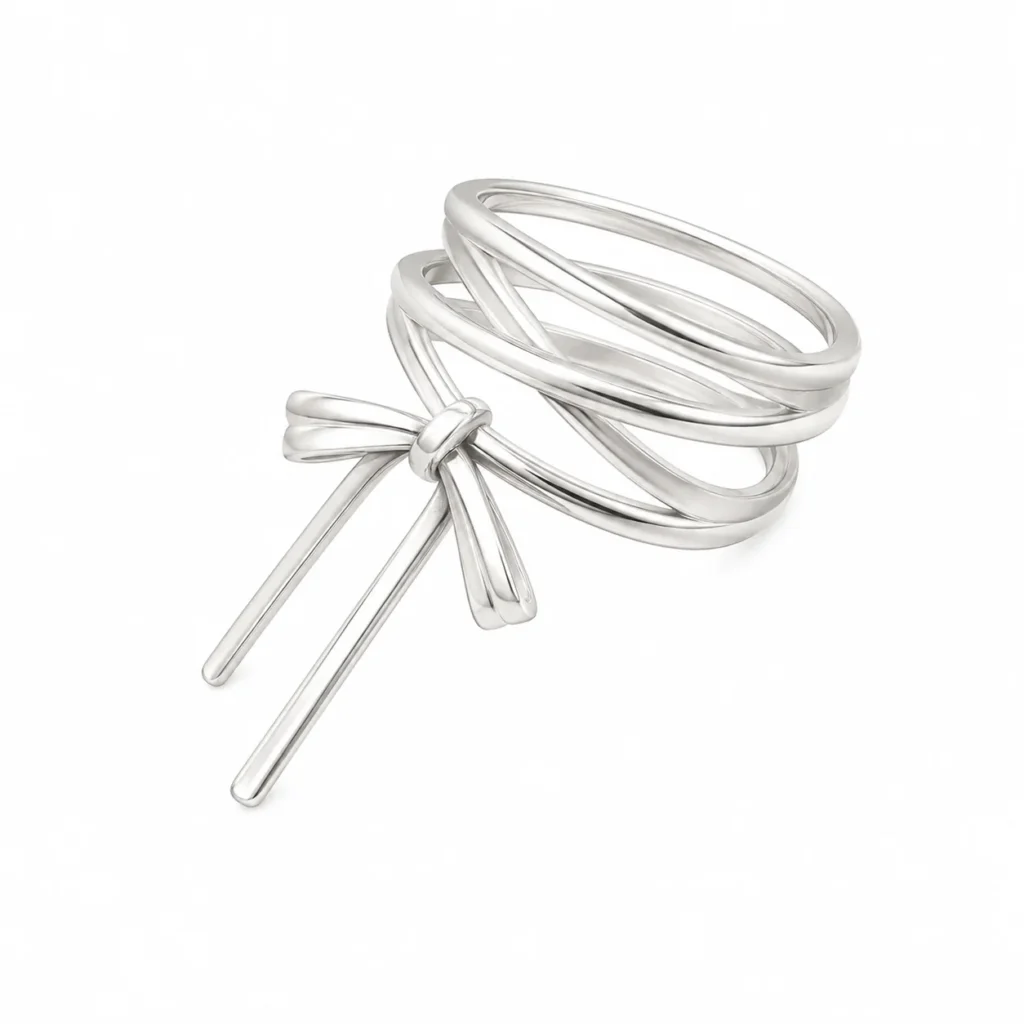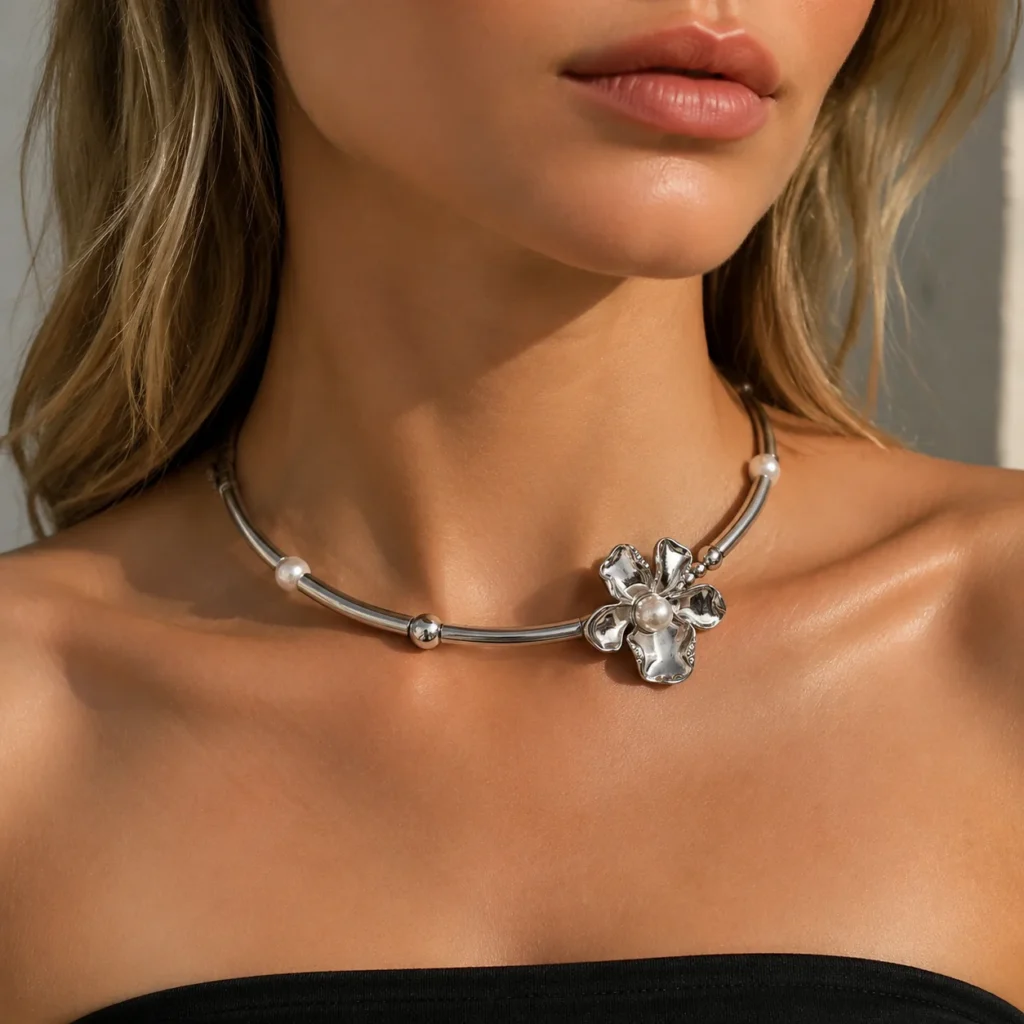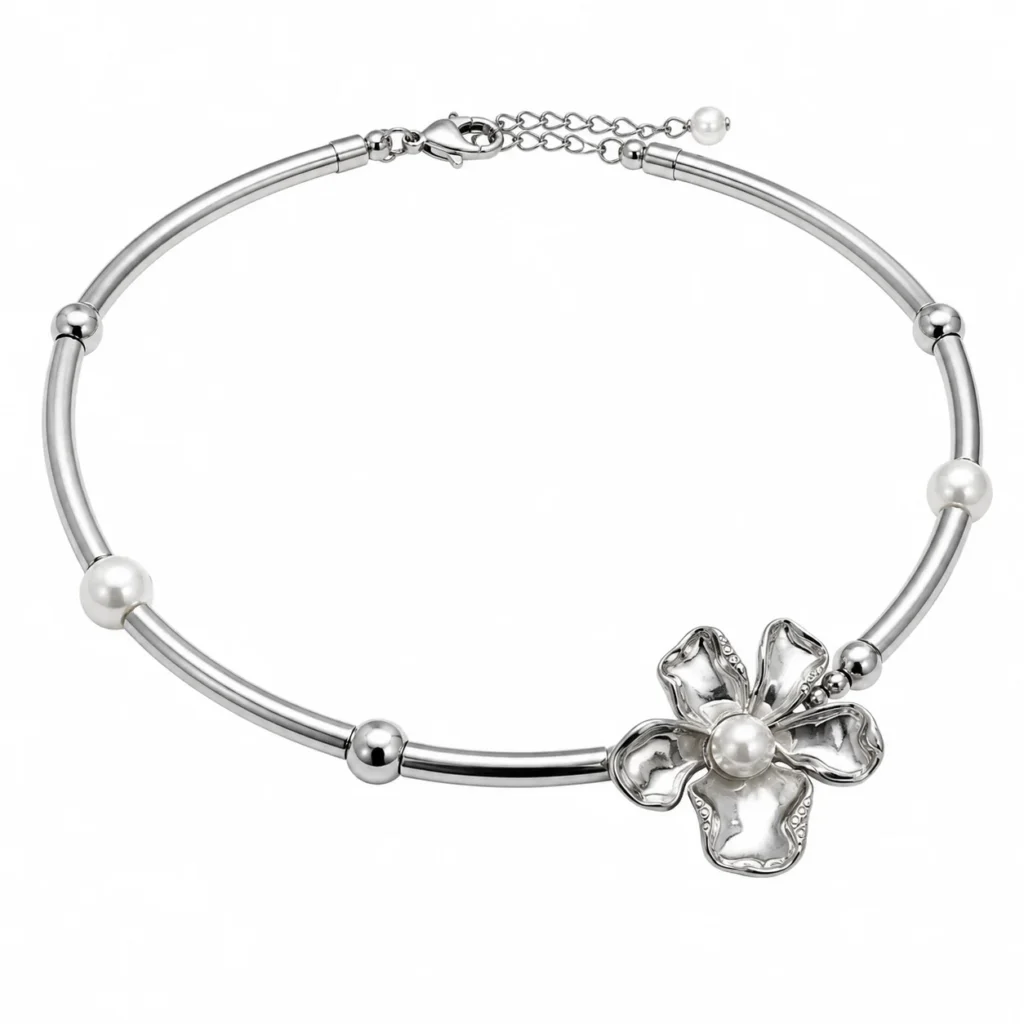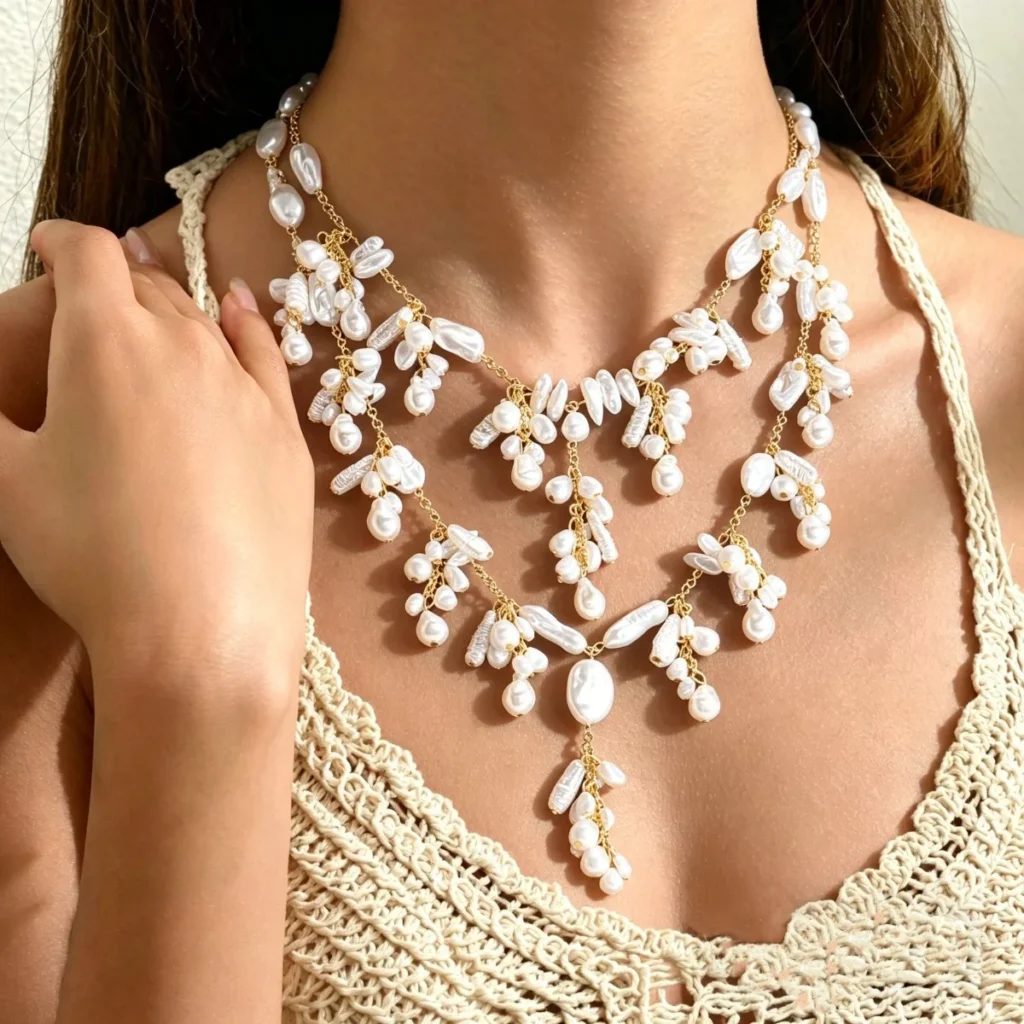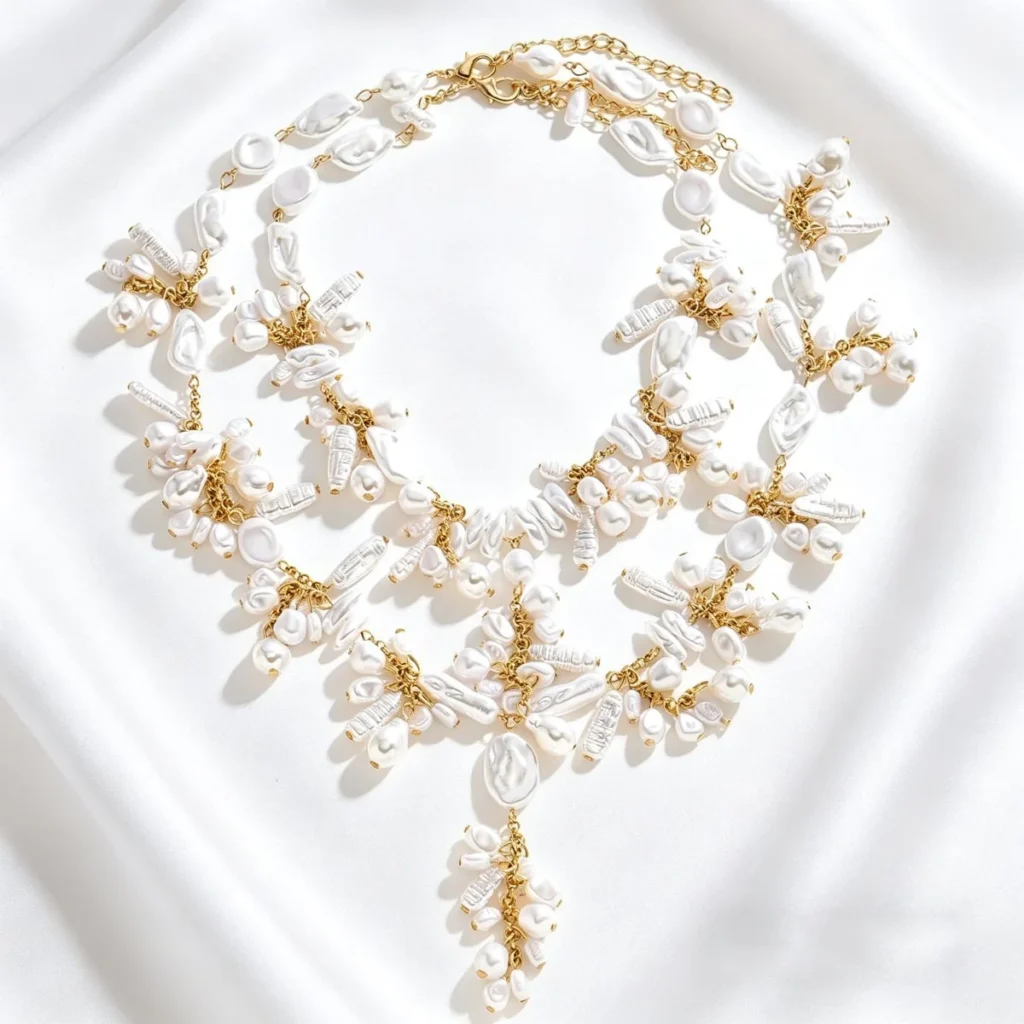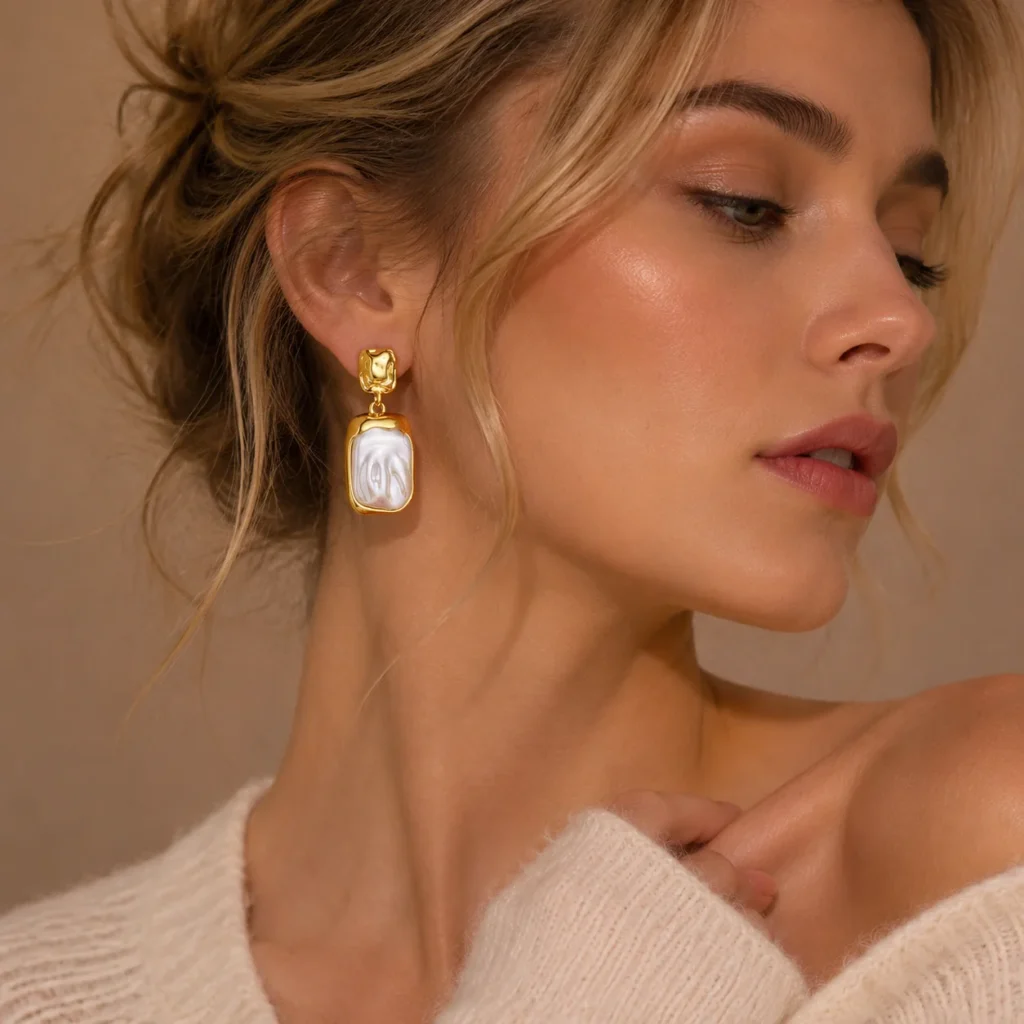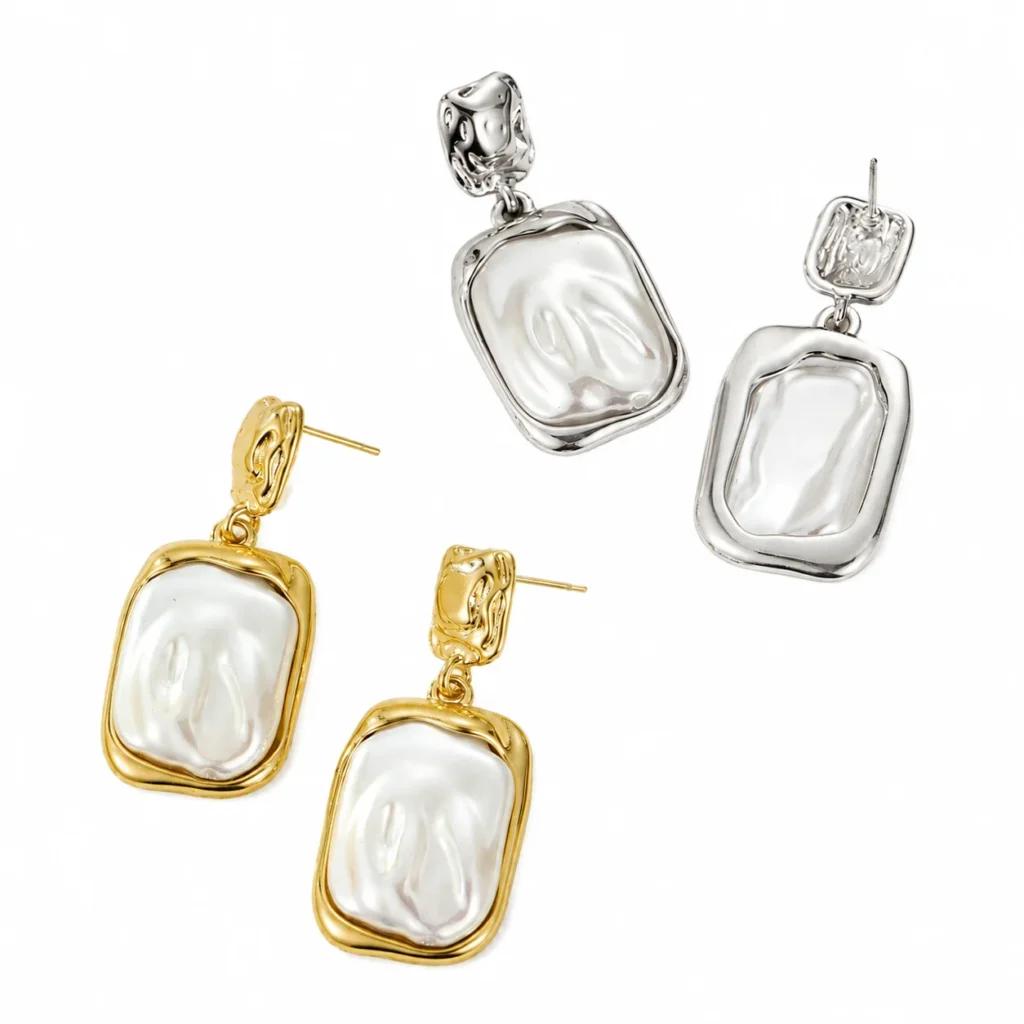
Electroplated jewelry is common in fashion jewelry because it allows designers and manufacturers to create attractive gold-tone, silver-tone, rose-tone, and specialty finishes at accessible wholesale price points. For retailers and brand buyers, understanding plating helps with product selection, customer education, quality checks, and care instructions.
This guide explains electroplated jewelry in practical B2B terms. It is written for buyers planning bulk orders, selecting products from earrings, rings, necklaces, bracelets, and other fashion jewelry categories.
What Is Electroplated Jewelry?
Electroplating is a finishing process that deposits a thin layer of metal onto the surface of a jewelry base. In fashion jewelry, the base may be alloy, brass, stainless steel, or another suitable material depending on the product design and target price. The plated layer gives the item its final visible color and surface character.
For buyers, electroplating matters because it affects appearance, consistency, wear performance, and care requirements. Two pieces may both be described as gold-tone jewelry, but their final look can vary depending on base material, plating process, surface polishing, and protective finishing.
Why Plating Quality Matters in Fashion Jewelry
Customers usually judge jewelry with their eyes first. They look at color, shine, texture, and whether the finish feels clean. In wholesale buying, plating quality also affects how products look in photos, how consistent pieces are across a shipment, and how confidently retailers can describe care instructions.
When reviewing electroplated jewelry samples, check these points:
- Color consistency: pieces in the same SKU should not vary strongly in tone.
- Surface smoothness: visible scratches, bubbles, or rough patches should be flagged.
- Edges and corners: plating should cover raised and recessed areas evenly.
- Contact areas: check clasps, earring posts, ring bands, and bracelet openings.
- Texture: hammered, brushed, or matte finishes should look intentional and consistent.
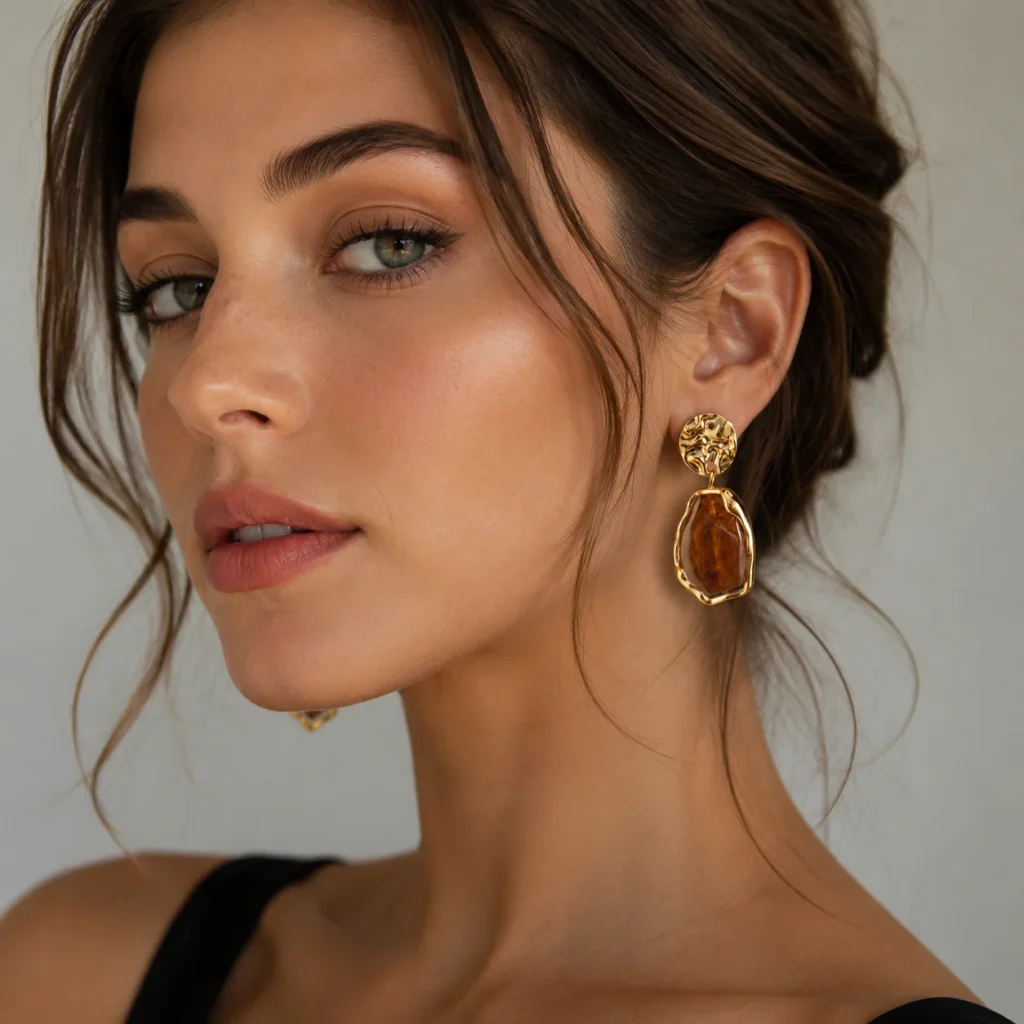
For example, the French-Style Metallic Earrings use metal tone and surface texture as major design features. With this type of product, finish consistency is not a small detail. It is part of the product story.
Electroplating and Product Categories
Different jewelry categories place different demands on plating. Earrings may have less friction during wear, while rings and bracelets often touch skin, bags, desks, and clothing more frequently. That means a ring or bracelet may need more careful inspection for surface durability than a light occasion earring.
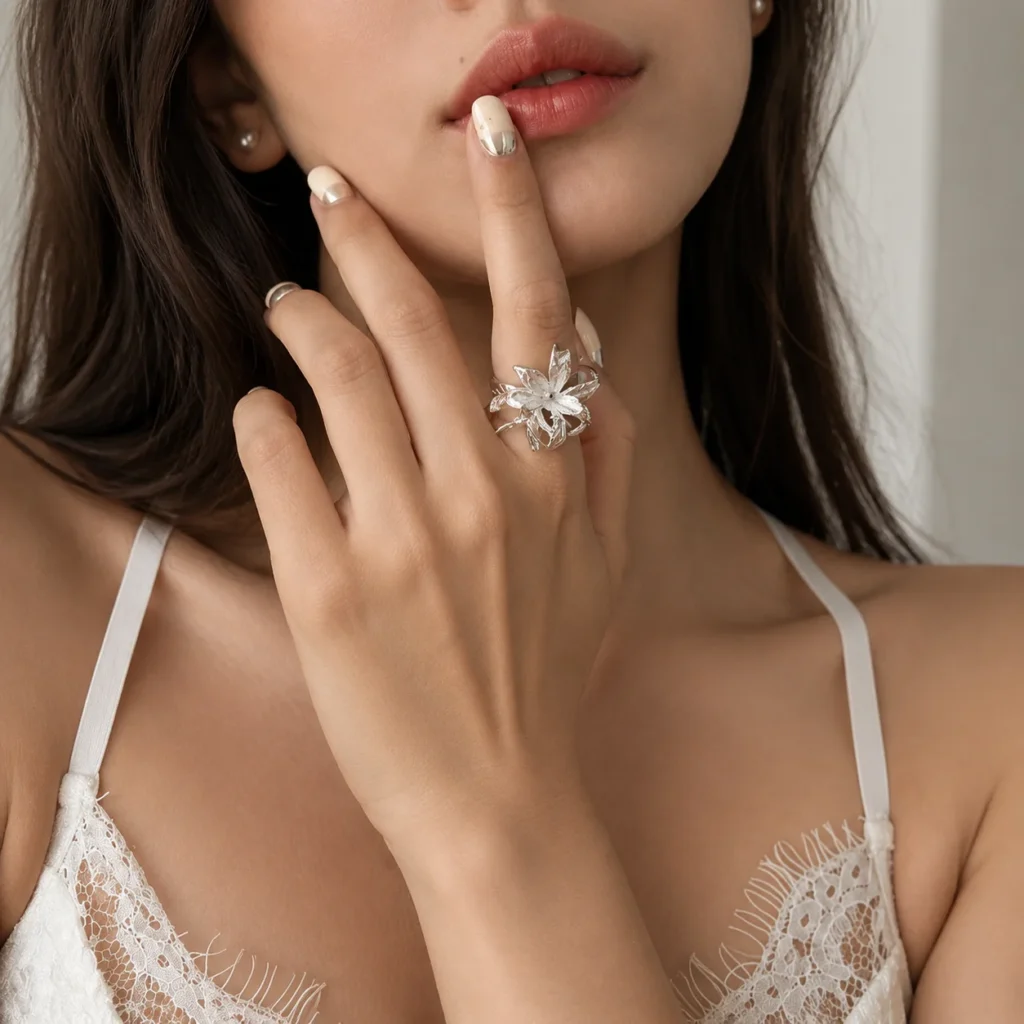
For wholesale rings, check the inner band, edges, and raised details. A floral style such as the Lily Flower Ring should be reviewed around petals and open areas where plating coverage and polishing can be more complex.
For statement earrings, buyers should inspect post areas, chains, jump rings, and decorative attachments. The Heart Rhinestone Tassel Earrings combine plating, rhinestones, and chain movement, so several details need to work together for a clean final product.
How Buyers Can Communicate Plating Requirements
Clear communication helps suppliers understand what matters most for your market. A boutique selling giftable fashion jewelry may prioritize polished appearance and branded packaging. A trend-driven online seller may prioritize fast-moving colors and photo-ready finishes. A private label brand may need more detailed specifications for repeat orders.
When discussing electroplated jewelry with a supplier, consider sharing:
- Target plating color, such as gold-tone, silver-tone, rose-tone, or antique finish.
- Reference photos or approved samples.
- Expected retail positioning and packaging format.
- Any nickel, lead, or market compliance requirements relevant to your sales region.
- Care card wording for your customers.
If you need custom finish direction or private label product development, Aurolumia can discuss options through OEM and ODM jewelry support. You can also compare general care guidance in our article on how to care for fashion jewelry.
Care Notes Retailers Can Share With Customers
Electroplated fashion jewelry should be sold with realistic care expectations. It is not the same as solid precious metal jewelry, and customers will have a better experience when care guidance is clear.
Retailers can recommend that customers keep fashion jewelry dry, avoid perfume and lotion contact, remove pieces before swimming or exercising, and store jewelry separately to reduce scratches. These simple instructions help preserve the finish and reduce preventable complaints.
FAQ
Is electroplated jewelry good for fashion jewelry retailers?
Yes. Electroplated jewelry gives retailers access to attractive metal-tone finishes at practical wholesale price points, especially for trend-led and seasonal collections.
Does electroplated jewelry tarnish?
Electroplated fashion jewelry can show wear over time, especially with moisture, friction, perfume, and improper storage. Clear care instructions can help customers keep pieces looking better for longer.
What should buyers check before placing a bulk order?
Buyers should review plating color, surface finish, edges, stone setting, closures, packaging, and whether the approved sample matches the final production standard.